Step 1: Design and DFM Analysis
Every successful project starts with a solid design. Engineers perform Design for Manufacturability (DFM) reviews to optimize part geometry and ensure moldability.
Step 2: Mold Fabrication
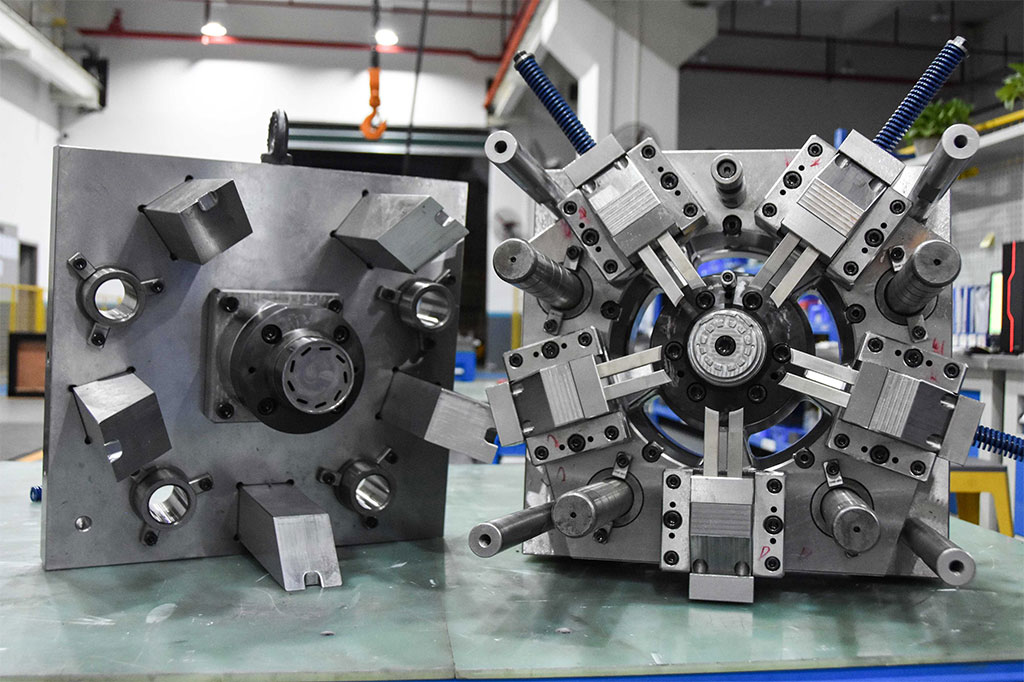
Mold making is a critical stage that involves machining steel or aluminum into a custom cavity that matches your product design. The choice of material affects mold longevity and cycle time.
tep 3: Prototyping and Short Runs
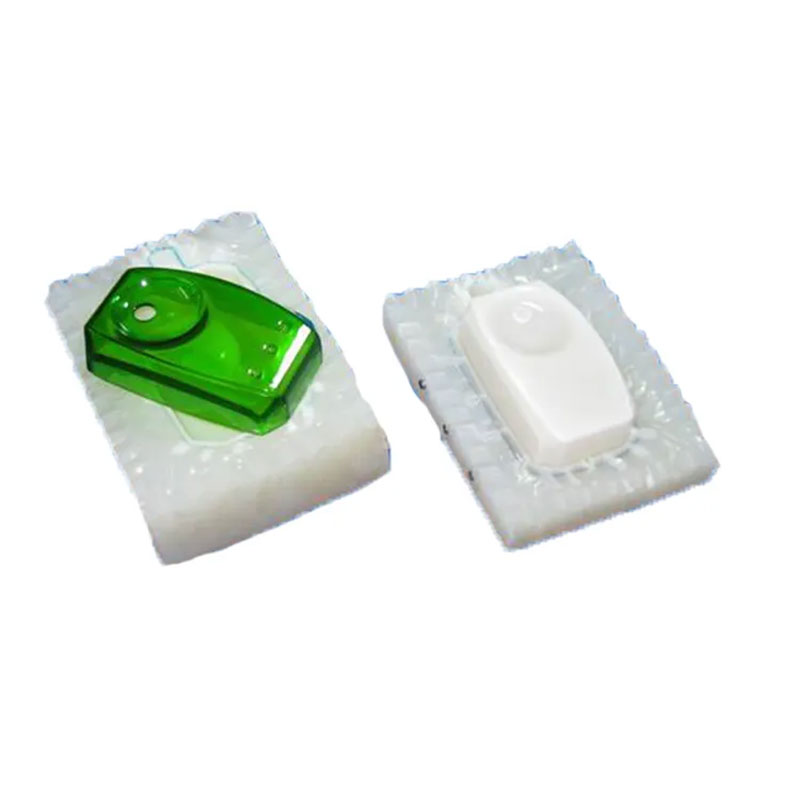
Early-stage validation is often achieved through rapid prototyping or low-volume injection molding. This allows for design verification before scaling to mass production.
Step 4: Production Using Electric Injection Machines
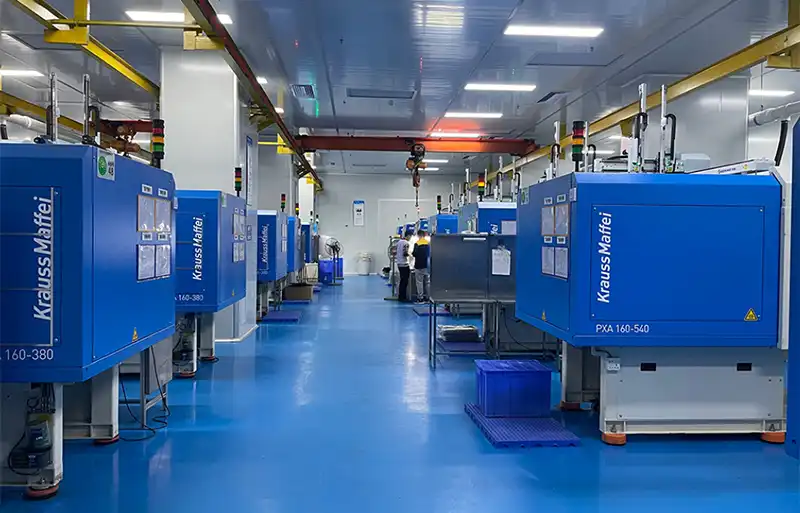
Modern facilities use electric injection machines for enhanced precision and energy efficiency. These machines offer:
- Faster cycle times
- Quieter operations
- Lower energy consumption
- Enhanced repeatability for high-tolerance parts