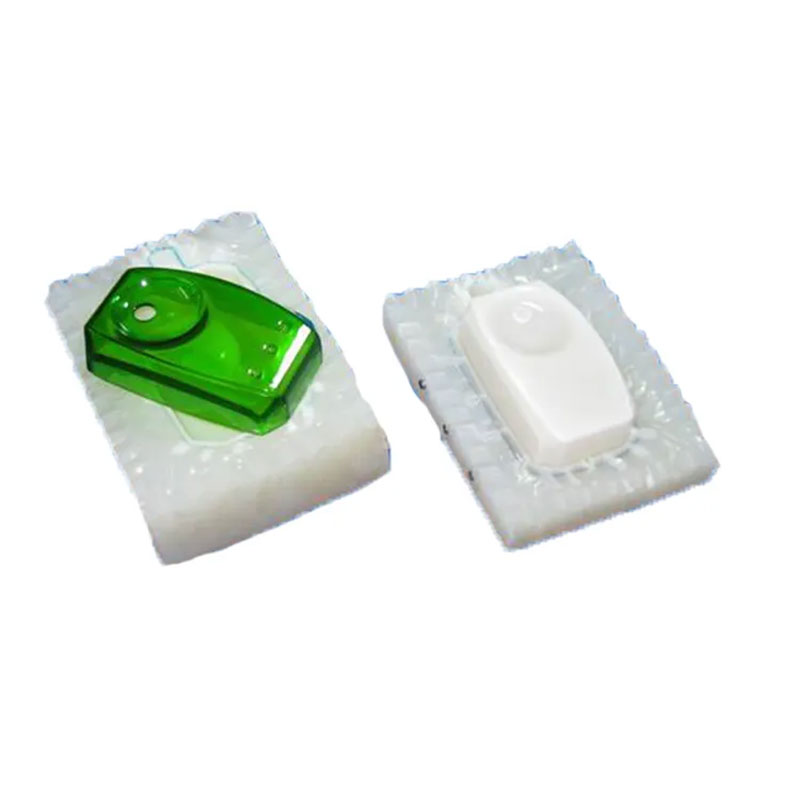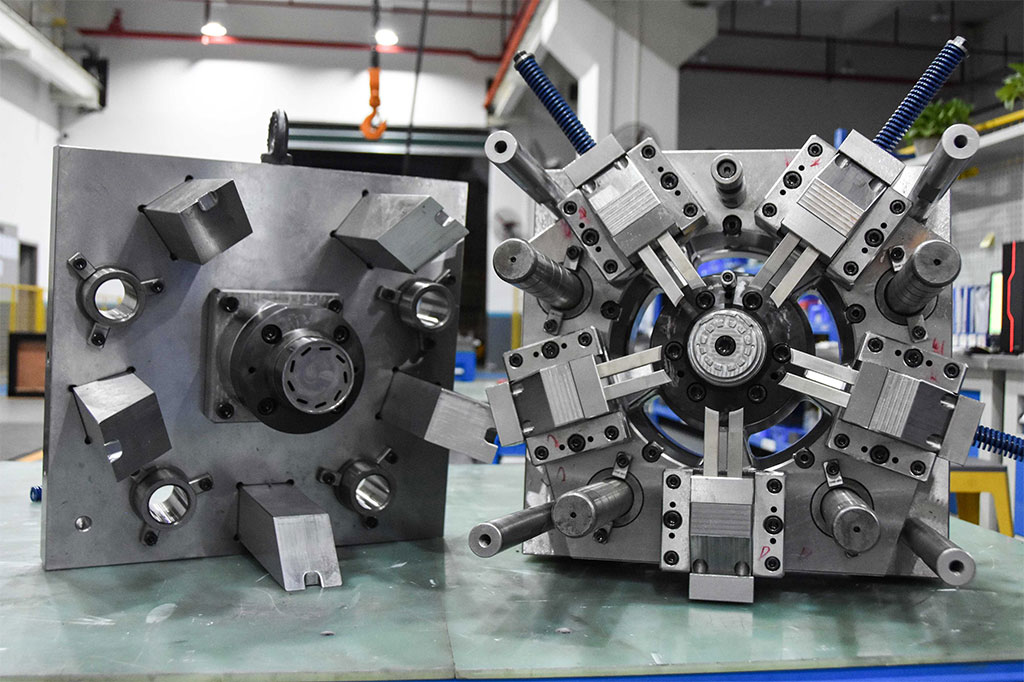
Several techniques are available for plastic prototype manufacturing, each with its advantages and considerations.
1. 3D Printing
3D printing, or additive manufacturing, builds prototypes layer by layer from digital models. It’s ideal for rapid prototyping and allows for complex geometries.
Advantages:
- Quick turnaround times
- Cost-effective for small quantities
- High design flexibility
Considerations:
Not all engineering-grade plastics are available for additive manufacturing, and parts may lack the mechanical strength or thermal resistance required for functional testing. The layer-by-layer construction process can also result in anisotropic strength, where parts are weaker along the Z-axis. Furthermore, the surface finish of printed parts is often rough and may require post-processing for aesthetic or assembly purposes. Dimensional accuracy can vary depending on printer type, material, and part geometry. As production volume increases, 3D printing also becomes less cost-effective compared to other methods.
2. CNC Machining
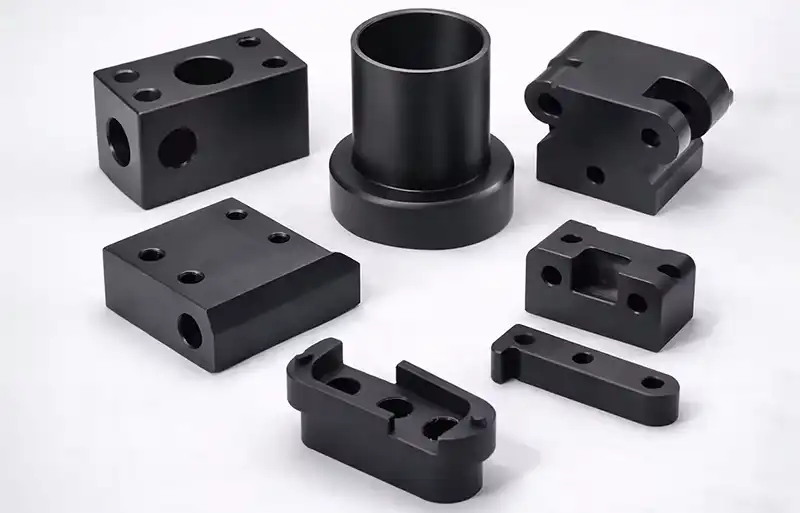
CNC machining involves subtractive processes, where material is removed from a solid block to create the desired shape. It’s suitable for functional prototypes requiring high precision.
As a subtractive process that cuts solid plastic blocks into precise shapes using computer-controlled tools, CNC machining is best for engineering validation (EVT), Tight tolerance parts, and prototypes that mimic production-grade materials.
Advantages:
Key advantages include high dimensional accuracy, allowing precise replication of complex designs, and a broad selection of engineering-grade plastics, such as ABS, PC, POM, and nylon, to simulate end-use performance. CNC machining also delivers an excellent surface finish, making it suitable for visual models and fit-testing without extensive post-processing.
Considerations:
However, it is associated with higher material waste, especially for complex geometries, since parts are milled from solid blocks. Programming and fixturing can be time-intensive, particularly for intricate designs, which may lead to longer lead times. Some internal features or undercuts may be difficult or impossible to machine without specialized tools or multi-axis setups. Additionally, the cost increases significantly with part complexity and tight tolerances.