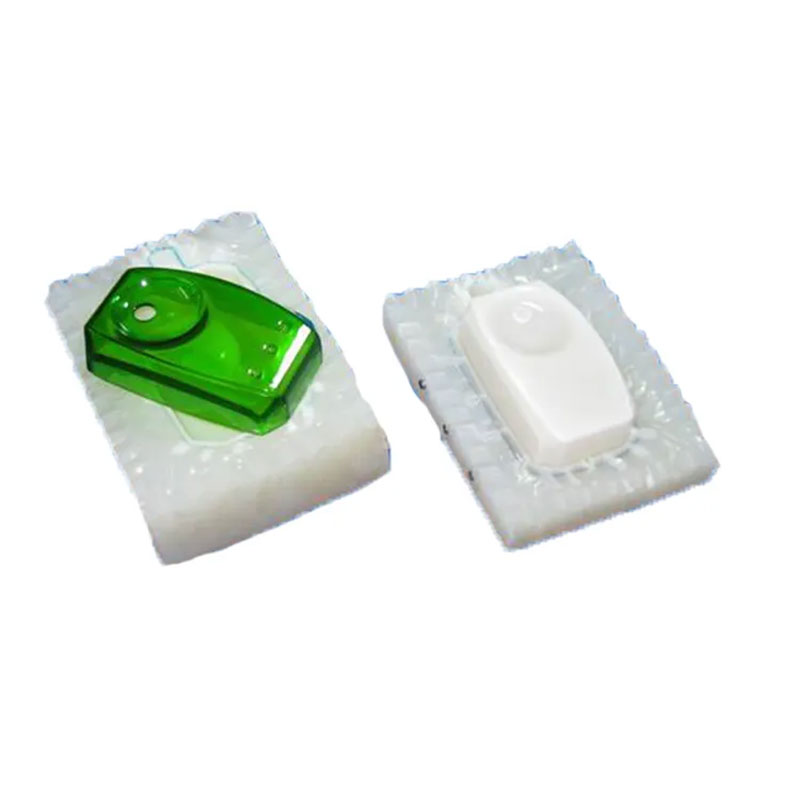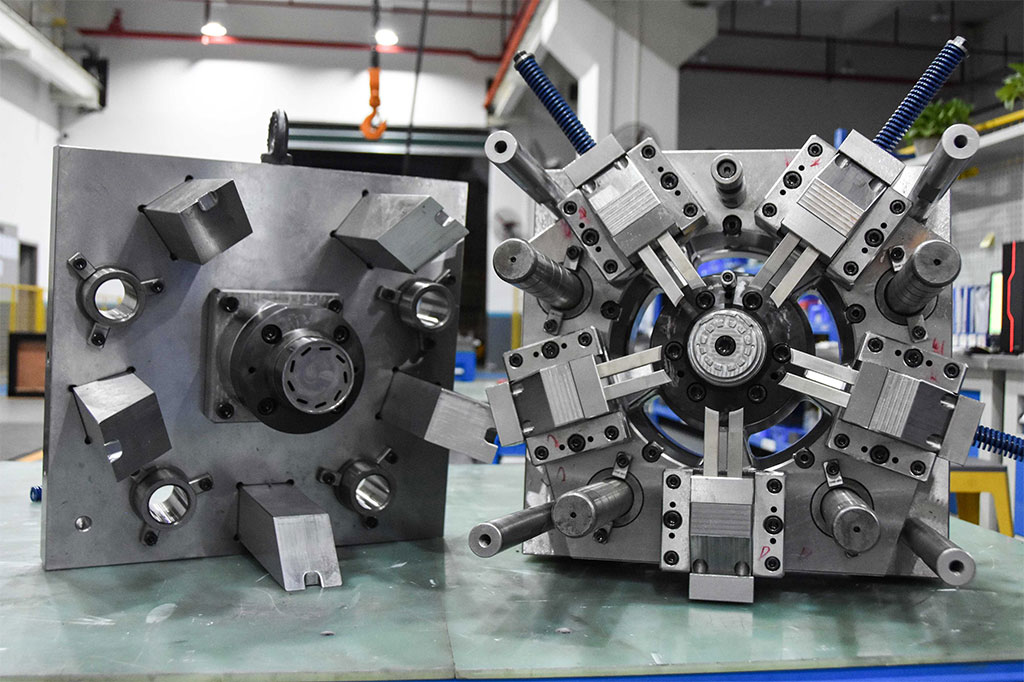
Sheet metal fabrication is a widely used manufacturing process across various industrial sectors. It involves transforming raw materials such as metal sheets, thin plates, and strips into metal products with specific shapes, dimensions, and performance requirements through a series of process operations. Sheet metal fabrication encompasses numerous process steps, each with unique characteristics and application scopes. Below is a detailed overview of the main processes in sheet metal fabrication.
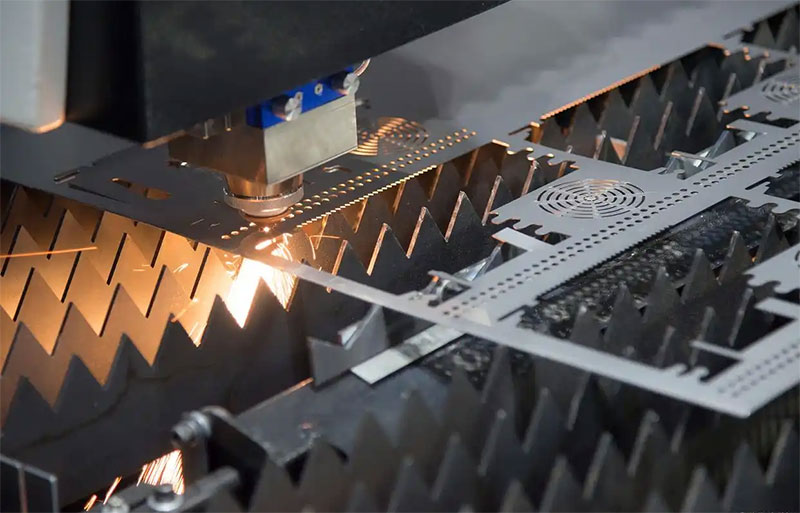
I. Cutting Process
Cutting is one of the most fundamental processes in sheet metal fabrication, primarily used to cut raw materials into the desired shapes and dimensions. The cutting process includes various methods such as mechanical cutting, laser cutting, plasma cutting, and waterjet cutting. Mechanical cutting is suitable for thicker metal sheets, while laser cutting and plasma cutting are ideal for thinner materials, enabling high-precision and high-efficiency cutting.
II. Stamping Process
Stamping is a commonly used process in sheet metal fabrication. It utilizes stamping presses and dies to shape raw materials into the required forms and sizes. The stamping process offers advantages such as high production efficiency, low cost, and high material utilization rate. It is widely applied in sheet metal fabrication for the automotive, electronics, home appliance, and other industries.
III. Bending Process
Bending is the process of shaping sheet metal into a predetermined angle and form. This process can be achieved through various methods, including mechanical bending, hydraulic bending, and pneumatic bending. The bending process plays a crucial role in sheet metal fabrication, as many products require bending to obtain their desired shapes and structures.
IV. Welding Process
Welding involves melting the contact areas of two or more metal components and then allowing them to cool and solidify into a single integrated piece. In sheet metal fabrication, welding is often used to join multiple sheet metal parts together to form a complete product. Common welding methods include arc welding, gas welding, and laser welding. The selection of a specific welding method depends on factors such as material properties, welding requirements, and processing conditions.
V. Surface Treatment Process
Surface treatment is the process of processing the surface of sheet metal products to enhance their corrosion resistance, aesthetics, and functionality. Common surface treatment processes include spraying, electroplating, anodization, and sandblasting. These processes can endow sheet metal products with a rich range of colors, a fine texture, and excellent corrosion resistance, ensuring they maintain good performance under various environmental conditions.
VI. Assembly Process
Assembly is the process of joining multiple sheet metal parts and other components together in accordance with design requirements. Assembly processes include various methods such as threaded connection, riveting, and welding. The assembly process is critical in sheet metal fabrication, as it directly impacts the quality and performance of the final product.
In summary, sheet metal fabrication encompasses a variety of processes including cutting, stamping, bending, welding, surface treatment, and assembly. Each of these processes has its own characteristics and works in coordination with the others to achieve the efficient, high-precision, and high-quality production of sheet metal products. With the continuous advancement of technology and the rapid development of industry, sheet metal fabrication processes will continue to innovate and improve, providing more high-quality and efficient metal products for all walks of life.