When turning thin-walled workpieces, deformation can easily lead to vibration, and vibration, in turn, exacerbates the deformation of the workpiece. These two phenomena are interrelated. While it is extremely challenging to completely eliminate vibration, it is feasible to take necessary measures to reduce or eliminate local vibrations.
- Adjusting the Lathe
This ensures that the clearances in rotating and sliding parts such as the spindle, saddle, and tool post are appropriately set for optimal operation. Additionally, enhancing the rigidity of the process system (including the workpiece, fixture, and tool) is crucial.
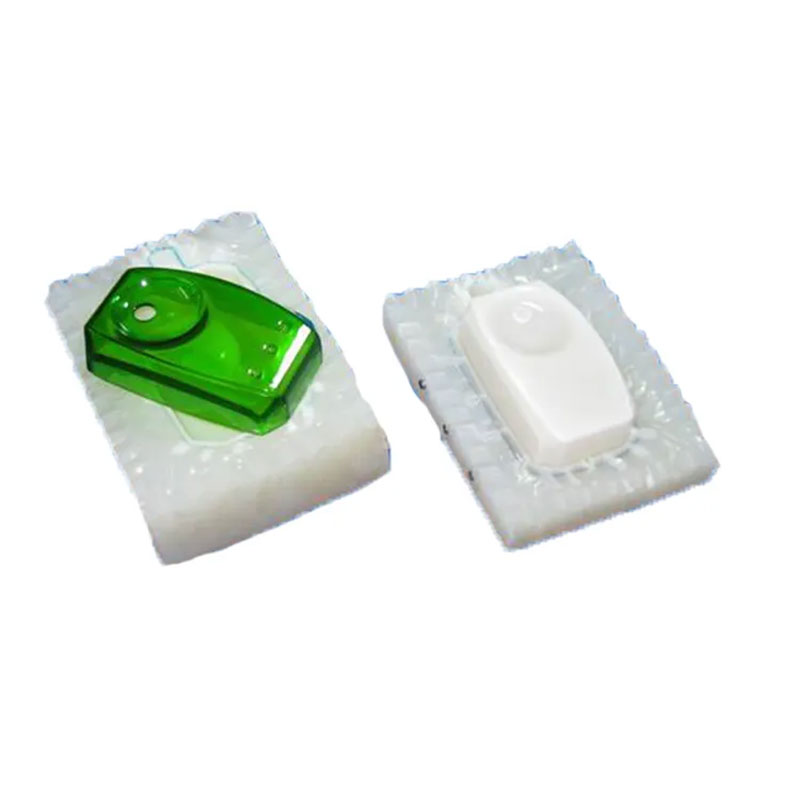
- Using Vibration-Absorbing Materials
Soft vibration-absorbing materials such as soft rubber sheets, soft rubber tubes, and foam plastics can be used to fill or wrap the workpiece before turning. This approach can reduce or even eliminate vibrations.
- Selecting Appropriate Tools and Optimal Tool Angles
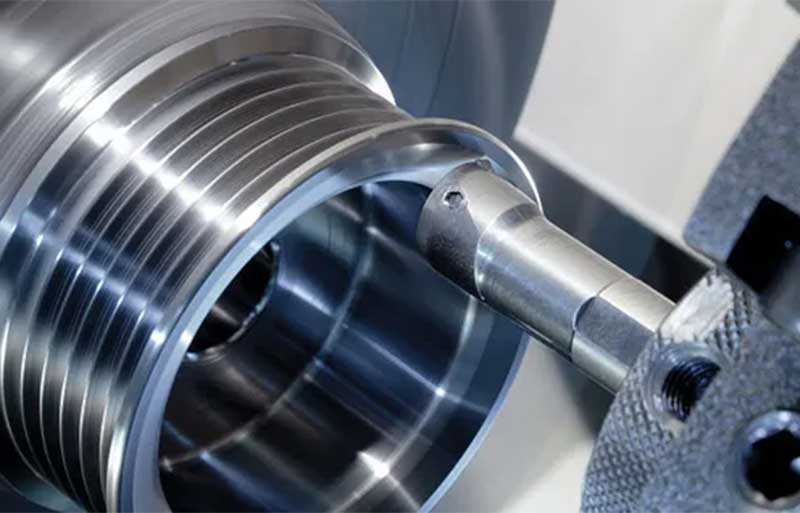
Flexible tool shanks offer effective vibration reduction and should be considered for use. It is advisable to maximize the rigidity of the inner bore turning tool shank and minimize its overhang length while still meeting machining requirements.
- Immediate Action When Vibration Occurs During Turning
If vibration occurs during turning, immediately stop the feed. First, reduce the spindle speed, decrease the cutting depth, and increase the feed rate to eliminate vibration marks. Then, carefully inspect whether the tool geometry angles are reasonable and assess the rigidity of the process system. Once everything is confirmed to be correct, resume turning.
- Increasing both the depth of cut and feed rate simultaneously increases cutting forces and deformation, which is highly unfavorable for turning thin-walled parts.
- Reducing the depth of cut and increasing the feed rate decreases cutting forces to some extent. However, it increases the residual surface area on the workpiece, resulting in a higher surface roughness value. This increases the internal stress in thin-walled parts with poor strength, leading to deformation as well.
Therefore, during rough machining, larger depths of cut and feed rates can be used. For finish machining, the depth of cut is typically between 0.2-0.5 mm, and the feed rate is generally between 0.1-0.2 mm/r or even smaller, with a cutting speed ranging from 6-120 m/min. During finish turning, use the highest possible cutting speed, but not excessively high. By reasonably selecting these three parameters (cutting speed, feed rate, and depth of cut), cutting forces can be reduced, thereby minimizing deformation.