In the scenario of small-batch aluminum housing production (10 – 50 sets), selecting an appropriate production plan is crucial for cost control and ensuring product quality. Common production plans include CNC machining, sheet metal processing, and die casting, each with its unique advantages, disadvantages, and cost structures. This article will conduct a detailed analysis of these plans to help you find the most cost-effective production method.
I. CNC Machining Plan
(A) Process Characteristics and Advantages
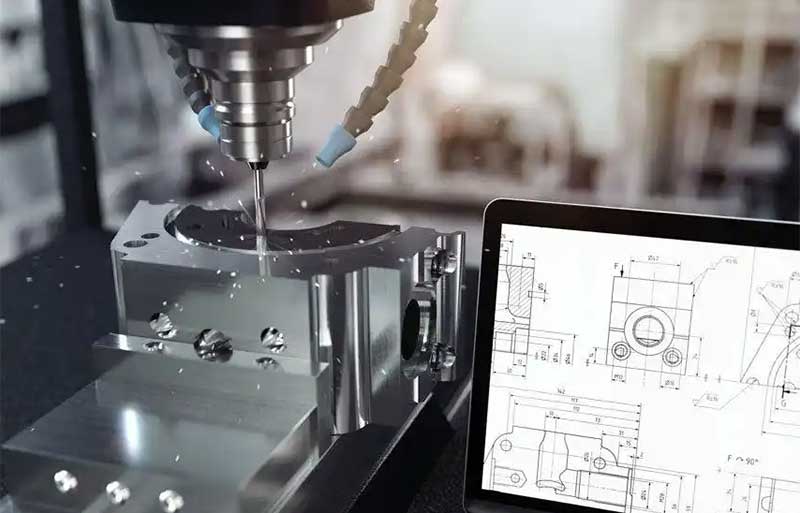
CNC machining is a process that uses digitally controlled machine tools to precisely cut aluminum materials. It offers extremely high precision and can meet the requirements for complex shapes and high-precision dimensions. For small-batch aluminum housing production, CNC machining does not require the development of expensive molds and can directly process according to design drawings, resulting in a short production preparation cycle. This gives it a significant advantage when dealing with the production of highly customized aluminum housings with complex shapes. For example, in industries such as electronic equipment and instrumentation, CNC machining can accurately achieve design requirements for aluminum housings with special interfaces and complex internal structures.
(B) Cost Analysis
- Equipment and Labor Costs: CNC machining equipment is expensive, and maintenance costs are also high. Operating CNC machine tools requires professional programmers and skilled operators, resulting in relatively high labor costs. In small-batch production, these costs, when allocated to each set of aluminum housing, are quite substantial.
- Material Costs: CNC machining involves removing material, resulting in relatively low material utilization and potential material waste, which increases material costs. However, for small-batch production, the total amount of material waste is relatively limited.
Overall, in small-batch (10 – 50 sets) aluminum housing production, if the product design is complex and has high precision requirements, although CNC machining has a relatively high unit cost, due to the absence of mold costs, the overall cost may be within an acceptable range and could even be the most cost-effective plan.
II. Sheet Metal Processing Plan
(A) Process Characteristics and Advantages
Sheet metal processing involves forming aluminum housings by cutting, bending, and welding aluminum sheets. It offers high process flexibility and can quickly produce relatively simple and regularly shaped aluminum housings. In small-batch production, sheet metal processing does not require significant investment in high-precision molds as in large-batch production. Instead, it only needs some simple jigs and fixtures, resulting in relatively low costs. Moreover, sheet metal processing has high material utilization, effectively reducing material costs.
(B) Cost Analysis
- Mold and Jig Costs: Although small-batch production does not require complex and expensive molds, it may still require some simple jigs and fixtures, with relatively low costs. However, if the product shape is relatively complex, more customized jigs and fixtures may be needed, increasing costs accordingly.
- Processing Costs: The processing steps in sheet metal processing are relatively simple, and labor costs are lower compared to CNC machining. However, if the product requires multiple bends, welding, or fine surface treatment, processing costs may increase.
For small-batch aluminum housing production with simple shapes and not extremely high precision requirements, the sheet metal processing plan has certain cost advantages and is a more cost-effective choice.
III. Die Casting Plan
(A) Process Characteristics and Advantages
Die casting involves injecting molten aluminum under high pressure into a mold cavity, where it cools and solidifies to form an aluminum housing. Die casting can produce aluminum housings with high dimensional accuracy, good surface quality, and complex shapes. In large-batch production, die casting has significant cost advantages because the mold cost is amortized over a larger production volume.
(B) Cost Analysis
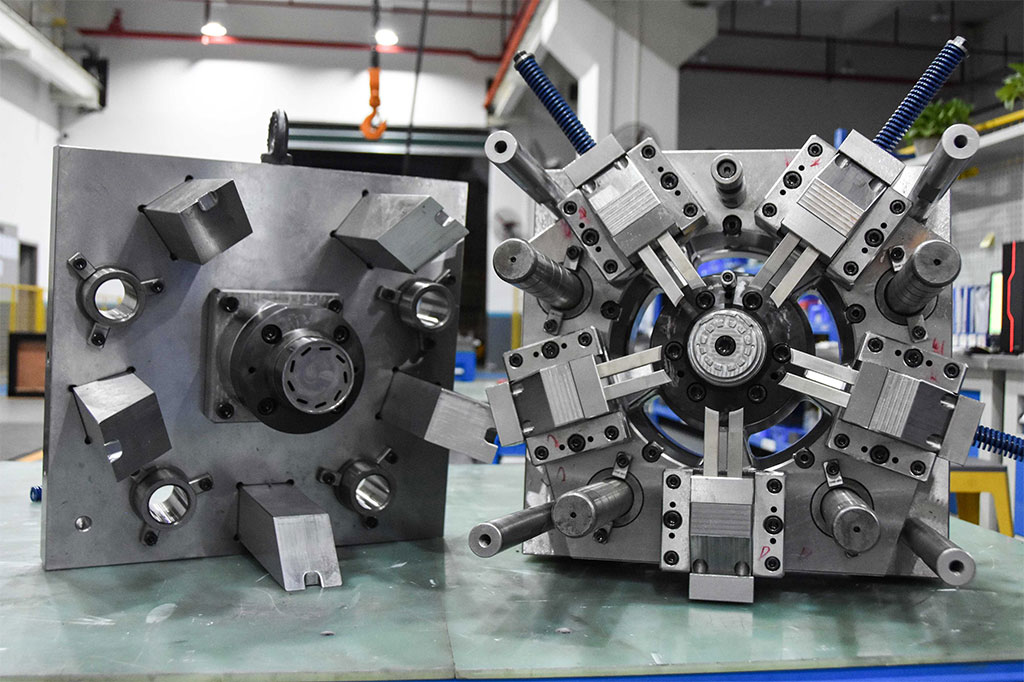
- Mold Costs: The development cost of die casting molds is very high, requiring a professional mold design and manufacturing team and a long development cycle. For small-batch (10 – 50 sets) production, the mold cost allocated to each set of products is extremely high, potentially making the overall cost unbearable.
- Production Efficiency and Costs: Die casting equipment itself is expensive, and the cost of starting up and debugging the equipment is also high. In small-batch production, due to the limited production volume, equipment utilization is low, further increasing the unit product cost.
Therefore, in small-batch (10 – 50 sets) aluminum housing production scenarios, the die casting plan is usually not the most cost-effective choice unless the product has extremely high quality and precision requirements and is willing to bear higher costs.
IV. Comprehensive Comparison and Selection
(A) Product Complexity and Precision Requirements
If the aluminum housing design is complex and has high precision requirements, such as the housings for high-end electronic equipment and aerospace components, although the CNC machining plan has higher costs, it can ensure product quality and is a more suitable choice. For aluminum housings with simple shapes and relatively low precision requirements, such as those for some ordinary industrial equipment, the sheet metal processing plan has cost advantages.
(B) Cost Structure and Budget Constraints
When considering costs, it is necessary to comprehensively analyze equipment costs, mold costs, material costs, and labor costs. If the budget is limited and the product shape allows, sheet metal processing may be the most cost-effective due to its lower mold and equipment costs. However, if there is a high pursuit of product quality and precision and the budget is relatively sufficient, although CNC machining has a high unit cost, it can meet the requirements.