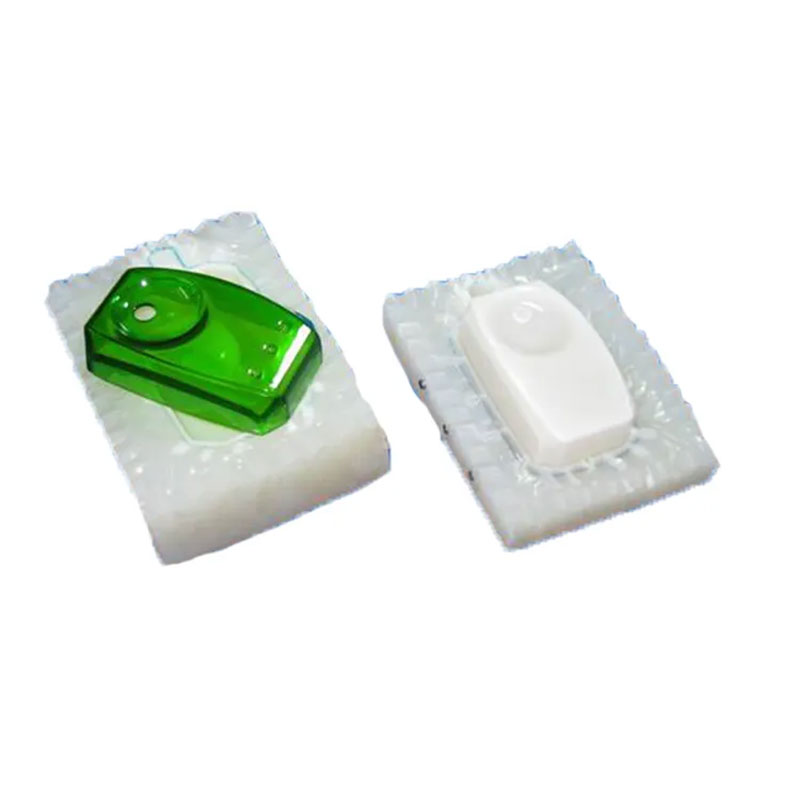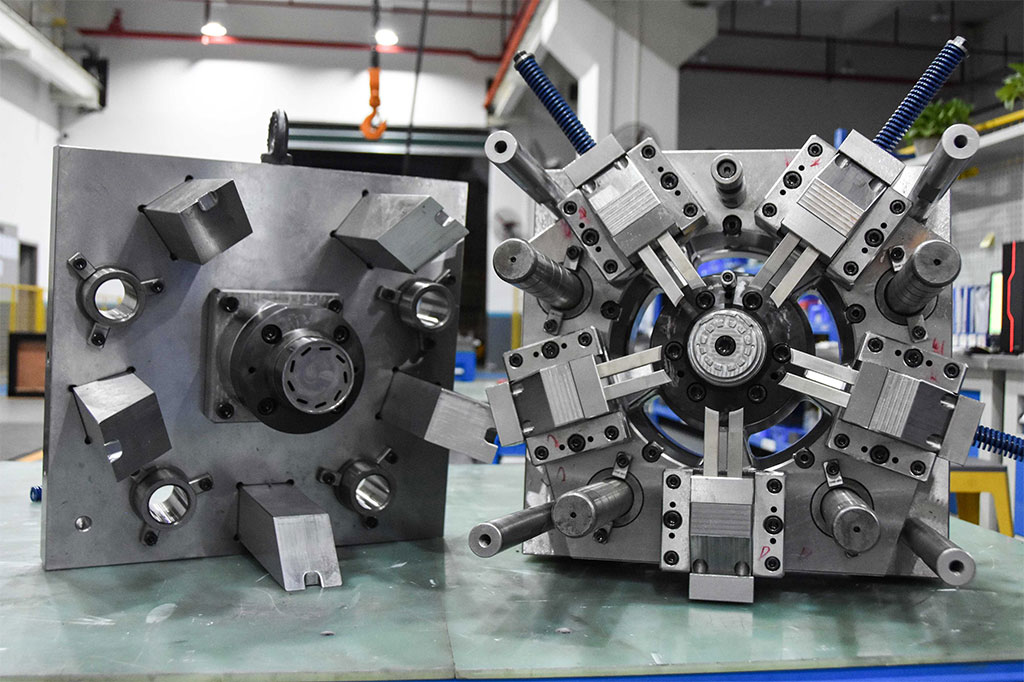
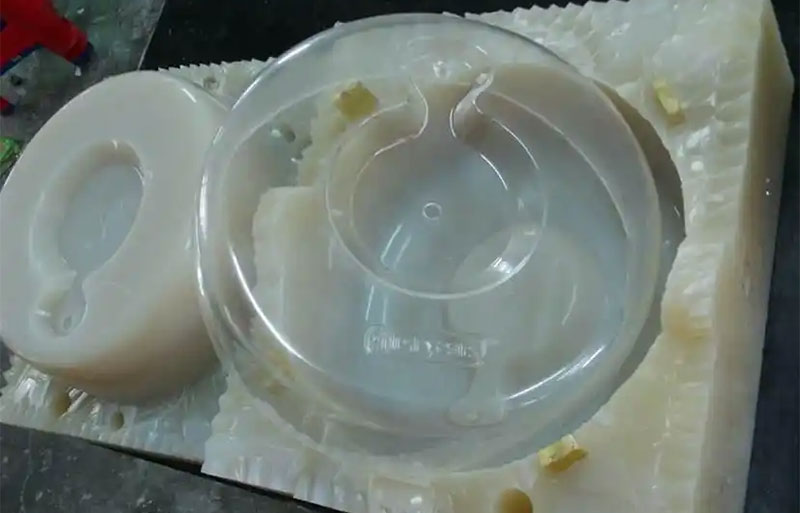
Vacuum casting technology is a classic rapid tooling process. Its core involves using a prototype as the master mold to create a silicone rubber mold, enabling precise replication of small batches of parts. This process is easy to operate and low in cost, making it particularly suitable for small-batch trial production during the new product development stage.
Vacuum casting main technical advantages:
Quick response: The cycle from prototype to mass production is significantly shortened, facilitating the rapid launch of products
Cost-effectiveness: Compared to traditional mold-making methods, it can save 50%–80% of the cost
Flexible design: Easily replicate complex structures, support rapid design iteration
High fidelity: The dimensional accuracy and surface quality of the product are close to the level of injection molded parts
Vacuum casting complete process system:
Mold making: High-toughness silicone rubber is used, with a tear resistance of 45kN/m and an elongation rate exceeding 400%. The mold can be reused more than 20 times
Vacuum casting: Operated in a high vacuum environment at -0.095 MPa, effectively eliminating bubble defects
Precision temperature control: The curing temperature is precisely controlled at 65±2℃, with a curing time of 24–48 hours
Process optimization: Establish a dedicated process parameter database to optimize injection pressure (0.2–0.5 MPa) and injection speed
Vacuum casting quality indicators:
Dimensional accuracy: ±0.15mm per 100mm
Minimum wall thickness: 0.5mm
Surface roughness: Ra 0.8–1.6μm
Mold lifespan: 20 times