To effectively perform end milling, follow these steps to ensure a successful machining process:
1. Set Up the Workpiece:
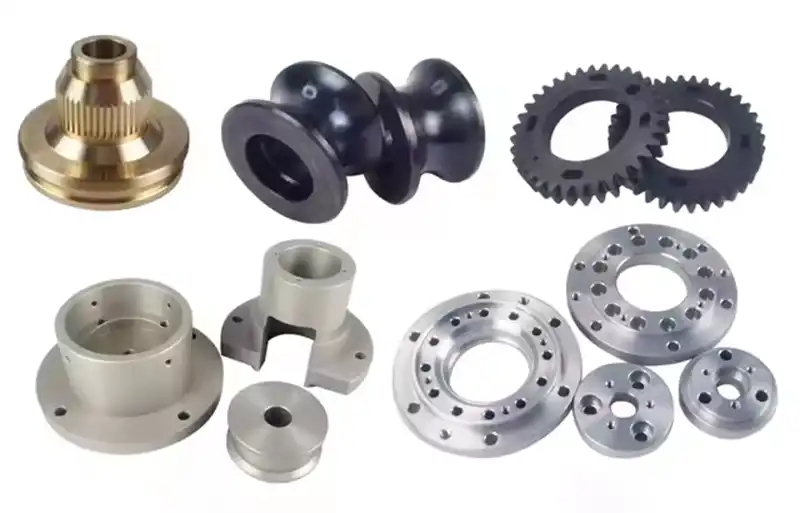
Before starting end milling, secure the workpiece on the machine using holding devices like vises and clamps. This ensures the part is firmly in place, minimizing unnecessary vibrations during the milling process.
2. Choose the Milling Tool:
Next, select the appropriate end mill based on the material you intend to cut. For steel, a tough carbide end mill is recommended, while high-speed steel end mills work well for softer materials like aluminum. Additionally, consider the cutting depth required. A shorter end mill is often better for shallow cuts, as it minimizes vibration and improves surface finish.
3. Set the Feed Rate and Speed:
After selecting the tool, adjust the cutting speed and feed rate according to the recommended parameters for the material. The speed of the cut directly impacts the quality of the surface finish, so selecting optimal settings is crucial.
4. Determine Correct Cutting Depth:
In addition, cutting depth measures how much material the end mill removes with each pass. Best practices recommend keeping the cutting depth to no more than half of the end mill’s diameter per pass. By following these guidelines, you can prevent the tool from overheating and breaking.
5. Test the End Milling Process:
Before proceeding with the full operation, conduct a test cut on a small section of the workpiece to ensure everything functions properly. Then, make any necessary adjustments based on the results of this preliminary test.
6. Perform the Milling Process:
Activate the coolant to prevent overheating of both the workpiece and the end mill, which will enhance cutting performance and extend tool life.
7. Monitor the Cutting Process:
As you cut, keep an eye on the machine for any irregularities, such as vibrations or unusual noises, and adjust as necessary.
8. Inspect the Workpiece:
After milling, check the dimensions and surface finish to ensure they meet specifications.
9. Clean Up:
Finally, clear away chips and debris from the work area, properly store the end milling, and clean the machine to maintain its condition. This ensures the machine remains in optimal working order for future projects.