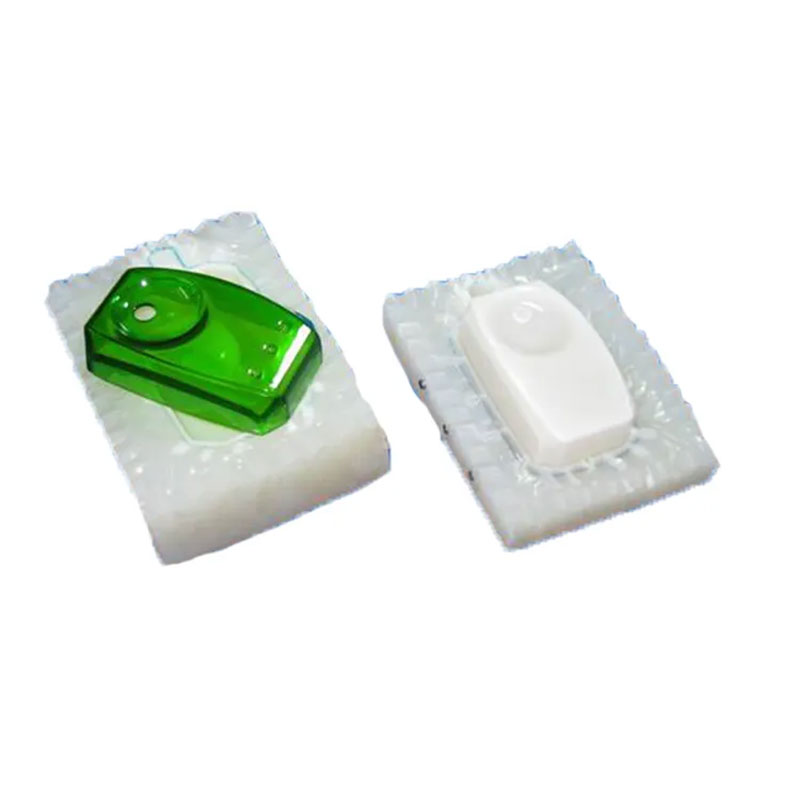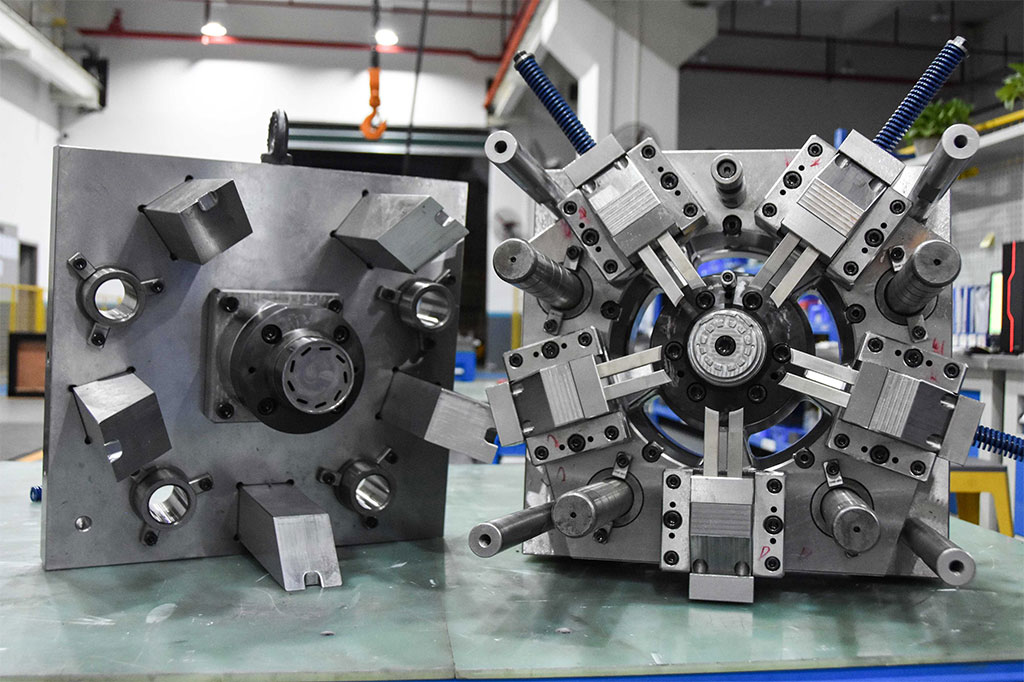
Prototype CNC machining offers both rapid turnaround and high precision, but pushing for both simultaneously can create inefficiencies. Knowing when to prioritize speed vs. accuracy is essential.

Technical Insight
Use rough machining with faster feeds for early prototypes focusing on form and fit.
Apply precision finishing (tight tolerances, smooth surface finishes) only for compliance testing or client demonstrations.
Leverage multi-axis CNC systems to reduce setups and improve efficiency.
Industry Case
A medical diagnostics company used fast rough machining to test fluidic device prototypes in just 3 days, then transitioned to precision finishing for regulatory testing.
An automotive EV startup iterated motor mount designs quickly by prioritizing speed early, shortening development timelines by 35% compared to previous projects.
Application Scenario
Early-stage prototyping: Speed is prioritized to gather quick feedback.
Late-stage validation: Accuracy and tolerance control become critical.
Data Point: McKinsey reports that shortening prototype development by 20–30% can reduce time-to-market by up to 10 months, giving companies a competitive edge.