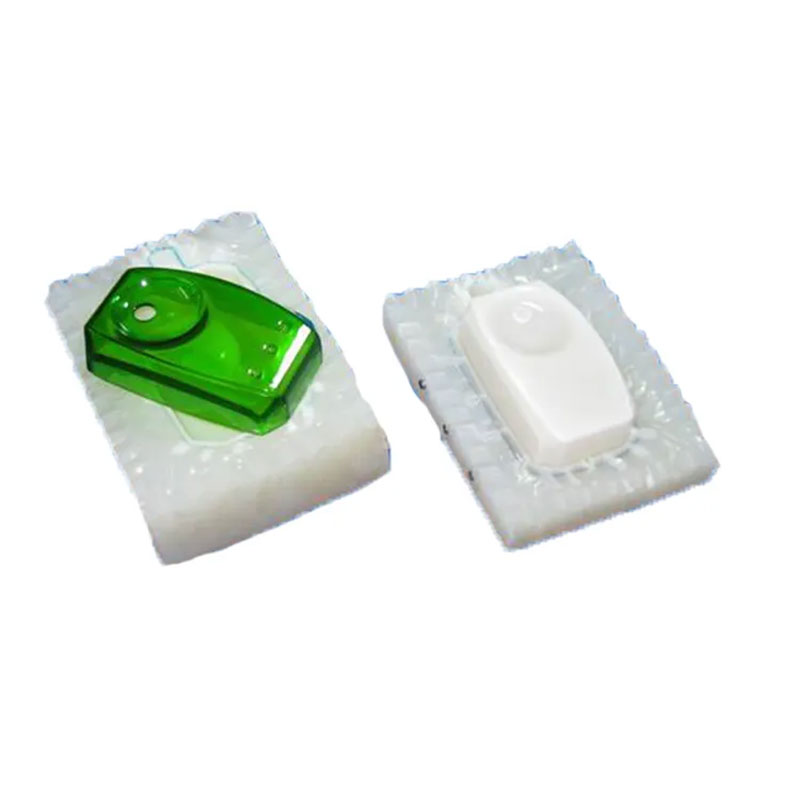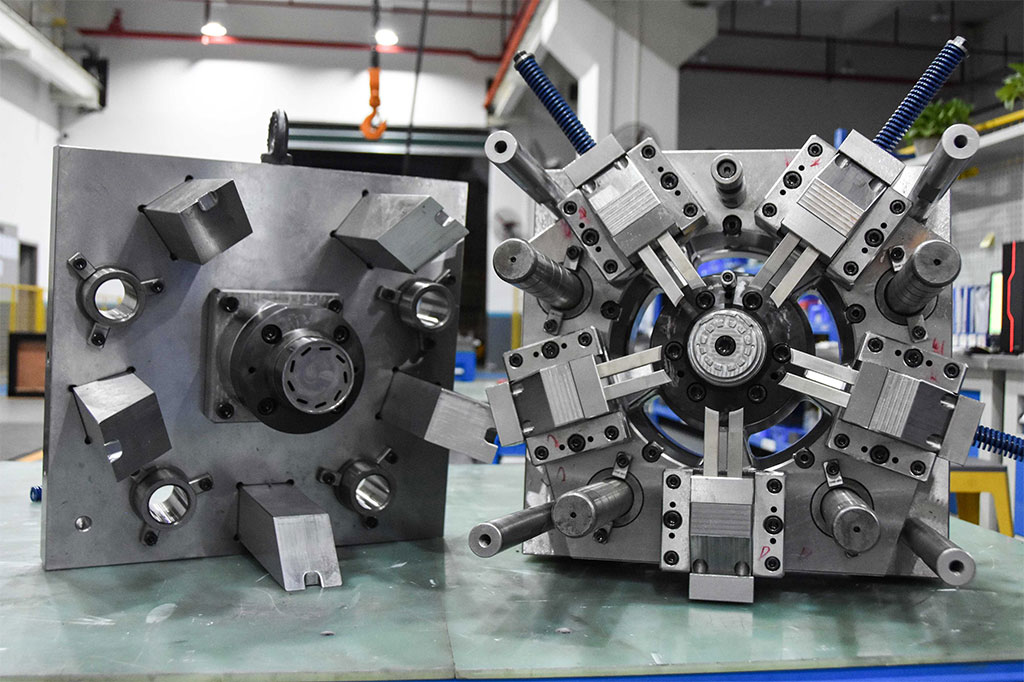
Advantages: Die-casting process boasts high production efficiency and excellent casting quality. It is suitable for large-scale production and can meet high requirements for casting dimensions and precision.
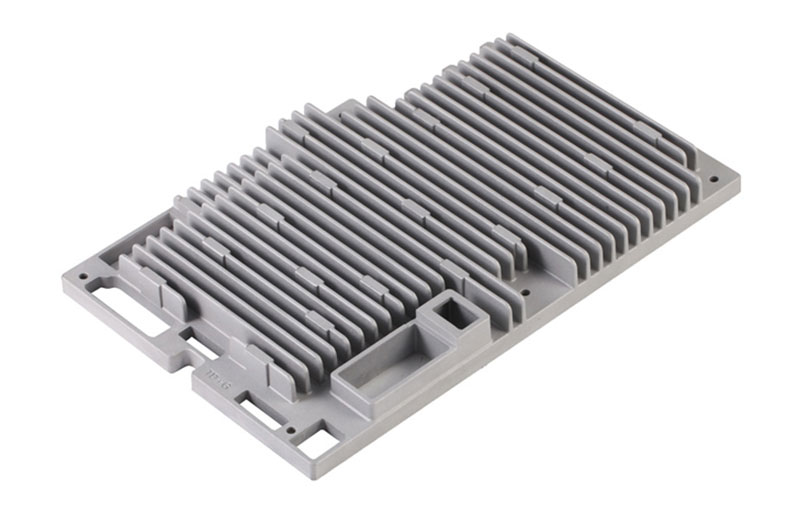
Disadvantages: Due to the fast filling speed and unstable flow pattern of liquid metal into the mold cavity, conventional die-casting methods are prone to generating porosity, which affects the heat treatment properties of the castings. Additionally, die-casting poses certain challenges for complex castings with concave interior features. Furthermore, the lifespan of die-casting molds is relatively short, especially for high-melting-point alloys such as copper and ferrous metals. Moreover, due to the high manufacturing cost of die-casting molds, small-batch production may not be economical. Additionally, achieving anodization for aluminum alloy die-castings poses certain difficulties. Although some manufacturers have attempted to use special aluminum alloys for post-anodization treatment, the yield rate still needs to be improved.