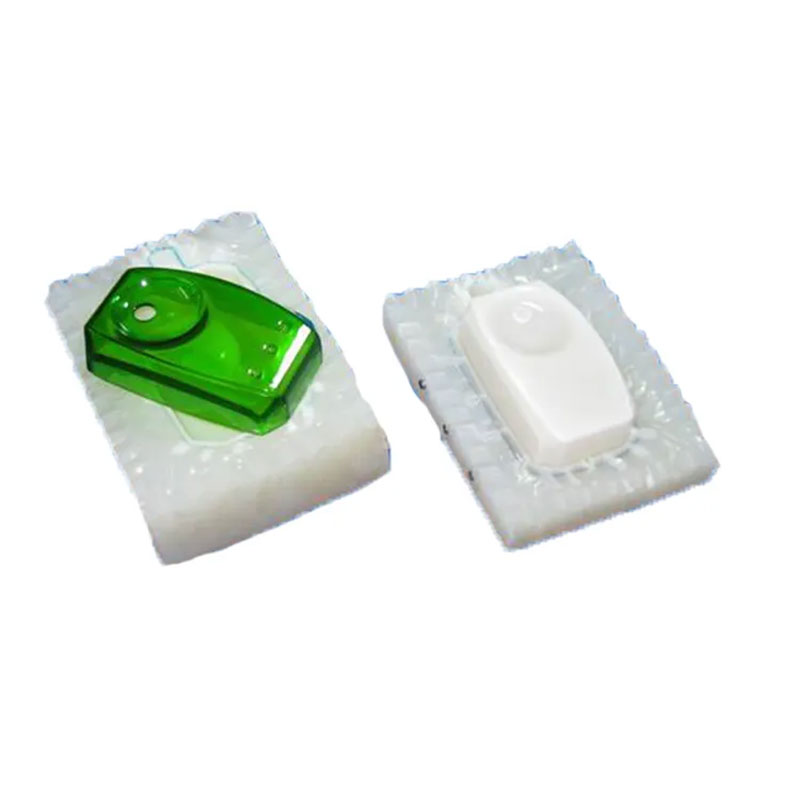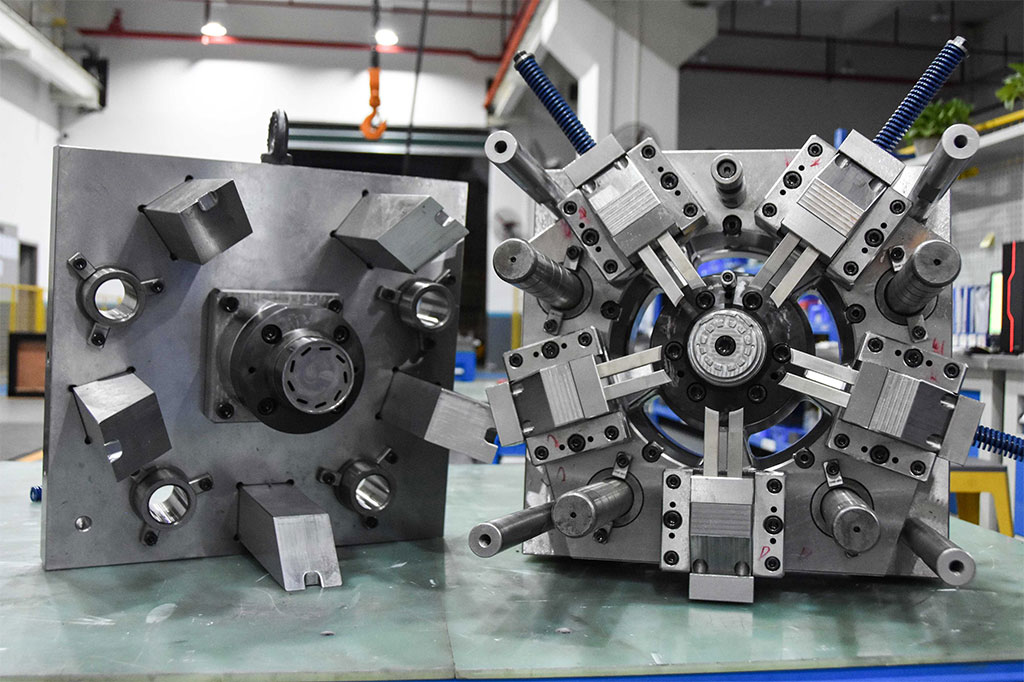
When selecting materials for CNC machining watch parts, factors like strength, weight, corrosion resistance, and machinability are crucial. Aluminum, titanium, and stainless steel are three of the most commonly used materials in watchmaking.
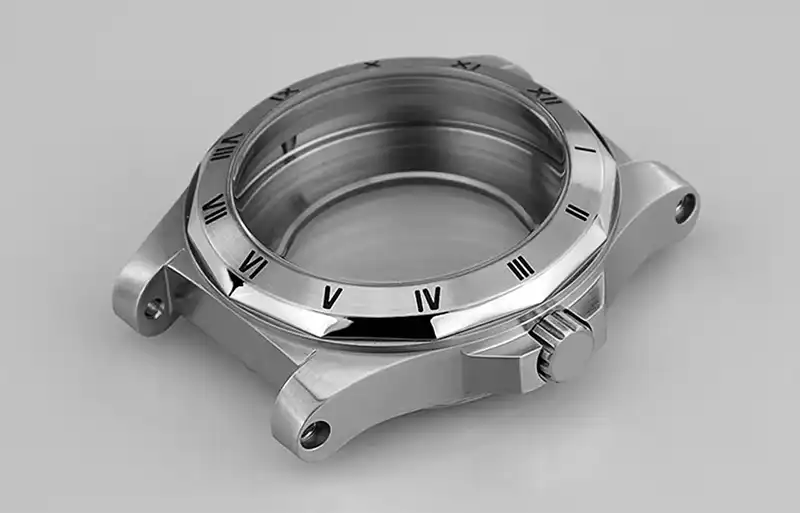
1. Aluminum
- Advantages: Lightweight, easy to machine, and offers good surface finishes (especially when anodized). It’s ideal for producing lightweight watch cases and affordable models.
- Disadvantages: Less durable than titanium or stainless steel, and more prone to scratches.
- Applications: Applies to budget-friendly sports watches, limited-edition models, or watches requiring color anodizing.
2. Titanium
- Advantages: Extremely strong, lightweight (about 45% lighter than steel), and highly corrosion-resistant. Hypoallergenic, making it suitable for people with sensitive skin.
- Disadvantages: More difficult and expensive to machine compared to aluminum or stainless steel. Higher material cost.
- Applications: Popular for premium, luxury, and diving watches due to its strength and corrosion resistance.
3. Stainless Steel
- Advantages: Strong, durable, and resistant to corrosion. It achieves a high-quality finish, making it ideal for premium watch cases and components.
- Disadvantages: Heavier than aluminum or titanium. Requires more machining effort than aluminum.
- Applications: Suitable for both affordable and high-end watches, particularly for robust cases, bands, and mechanical parts.