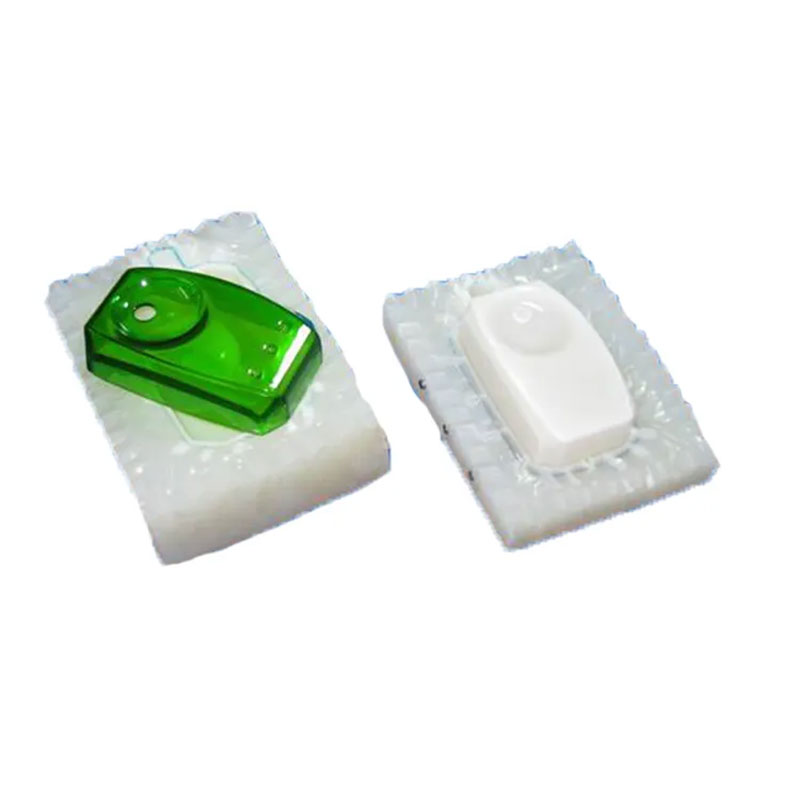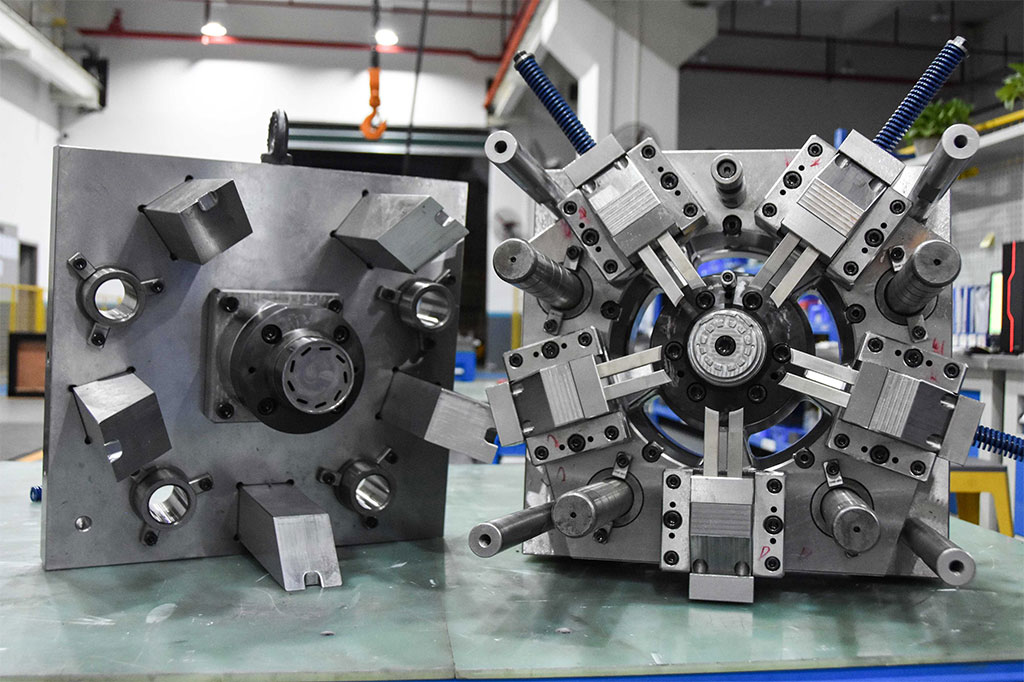
Black anodizing works through a process called electrolytic oxidation, which involves the following steps:
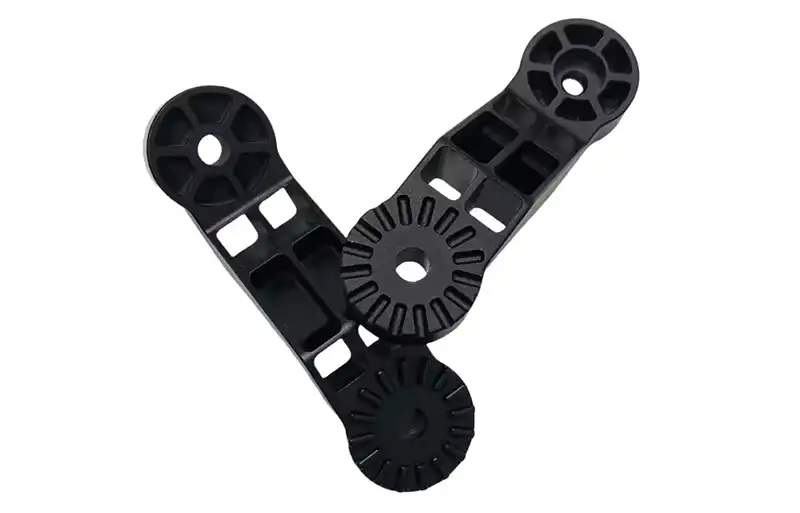
Step 1: Surface Preparation
The first step in black anodizing is cleaning and preparing the metal surface. Any oils, dirt, or oxidation must be removed to ensure a uniform anodized layer. Common cleaning methods include degreasing and etching. Typically, technicians perform etching with an acidic solution to give the surface a more uniform texture, which helps the anodized layer bond more effectively to the metal.
Step 2: Electrolytic Oxidation
Further, operators submerge the metal in an electrolytic bath, usually made of sulfuric acid. Then, a direct electrical current passes through the bath, causing the metal to undergo electrolytic oxidation. During this phase, the surface of the aluminum reacts with oxygen in the bath to form a thick, hard layer of aluminum oxide. This oxide layer bonds to the metal and becomes an integral part of the material, rather than merely sitting on top like paint or a coating.
Moreover, the thickness of this oxide layer depends on the duration and intensity of the electrical current. Generally, the thicker the oxide layer, the more durable and wear-resistant the surface becomes.
Step 3:Dyeing the Surface
After the aluminum oxide layer forms, the surface becomes porous and can absorb dyes. For black anodizing, the operator submerges the part in a dye bath containing a black dye. The porous structure of the oxide layer allows the dye to penetrate and stain the surface, giving it a deep, uniform black color.
Step 4: Sealing the Oxide Layer
After dyeing, the anodized part is submerged in a sealing bath, usually involving boiling water or steam. This step is crucial because it closes the pores of the aluminum oxide layer. Sealing prevents the dye from fading or rubbing off, increases the corrosion resistance of the surface, and further strengthens the oxide layer.
The above is the basic process of black anodizing. If you need it, please contact us.