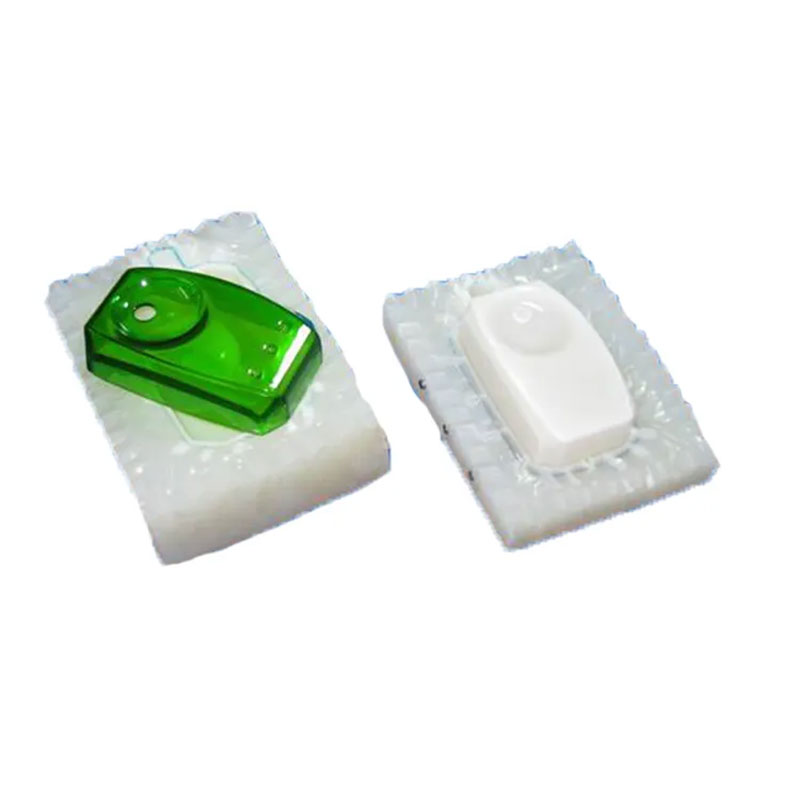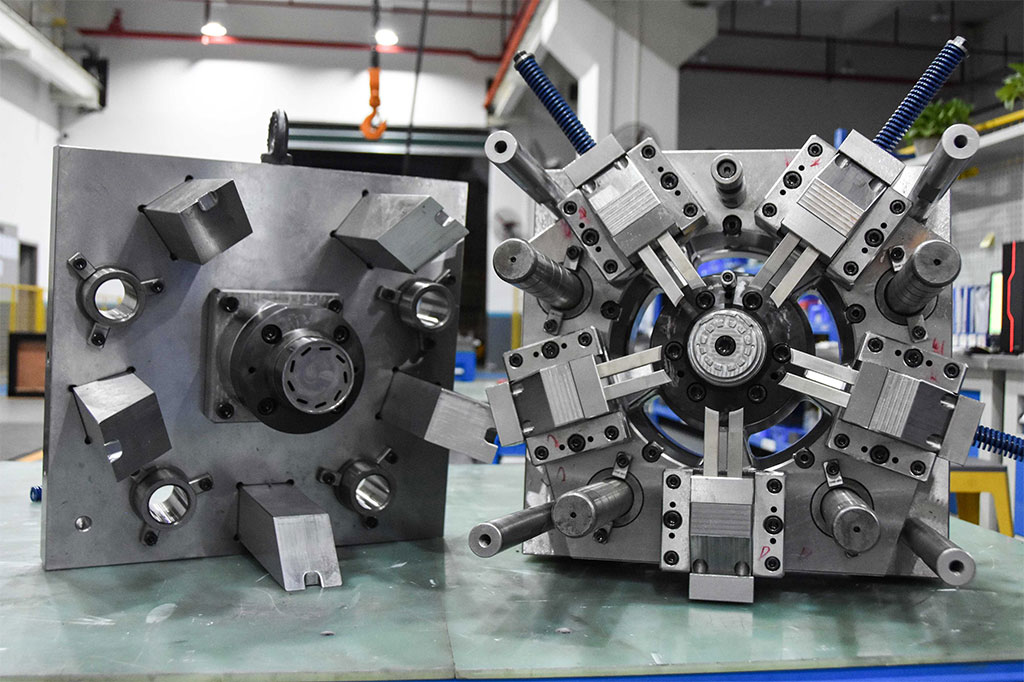
There are two main process types used in overmolding, each designed to combine multiple materials into a single, integrated component: 2K molding and two-shot molding.
2K molding, also called two-color molding, injects two different materials into one mold during a single production cycle. This approach is ideal for producing multi-material or multi-color components without requiring secondary assembly. It enhances product aesthetics, ergonomic comfort, and functional performance while reducing labor and cycle time.
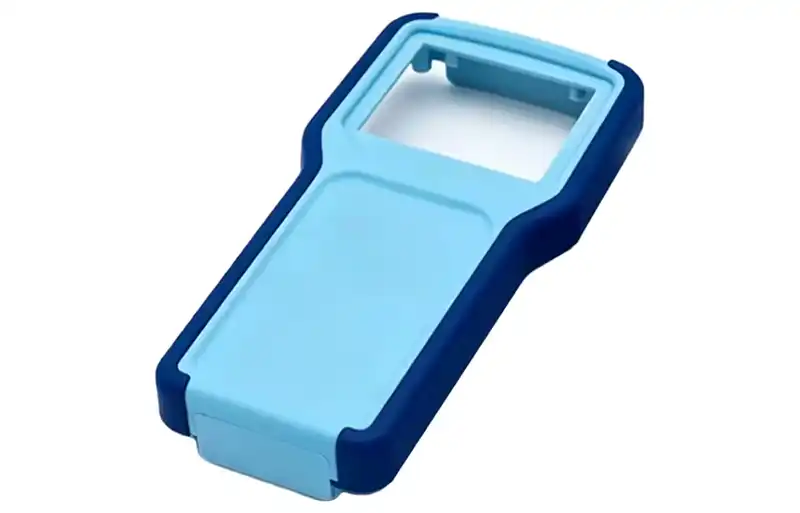
Similarly, two-shot molding is a sequential overmolding process in which the first material is injected and partially solidified before the second material is molded over or around it. This method often utilizes multiple stations or rotating mold systems to ensure precise alignment and strong bonding between layers.
To better understand how overmolding works in practice, below are the key steps typically involved in the process:
Step 1: Base Material Preparation
Manufacturers start the overmolding process by preparing the initial part, known as the substrate. This substrate is typically made from plastic, metal, or another solid material. Injection molding, machining, or other fabrication techniques are commonly employed to produce the substrate.
Step 2: Material Selection
Next, manufacturers select a second material, often a soft plastic, rubber, or thermoplastic elastomer, to mold over the substrate. This overmold material enhances the part’s properties by providing benefits such as improved grip, insulation, cushioning, or sealing.
Step 3: Injection Molding Process
Operators place the substrate into a mold designed to accommodate both the substrate and the overmold material. Then, they inject the overmold material into the mold, where it bonds with the substrate. This bonding occurs either mechanically through interlocking features or chemically if the materials are compatible.
Step 4: Cooling and Ejection
After injection, the part cools and solidifies, ensuring a strong bond between the two materials. Once the part has cooled sufficiently, manufacturers eject the finished product from the mold.