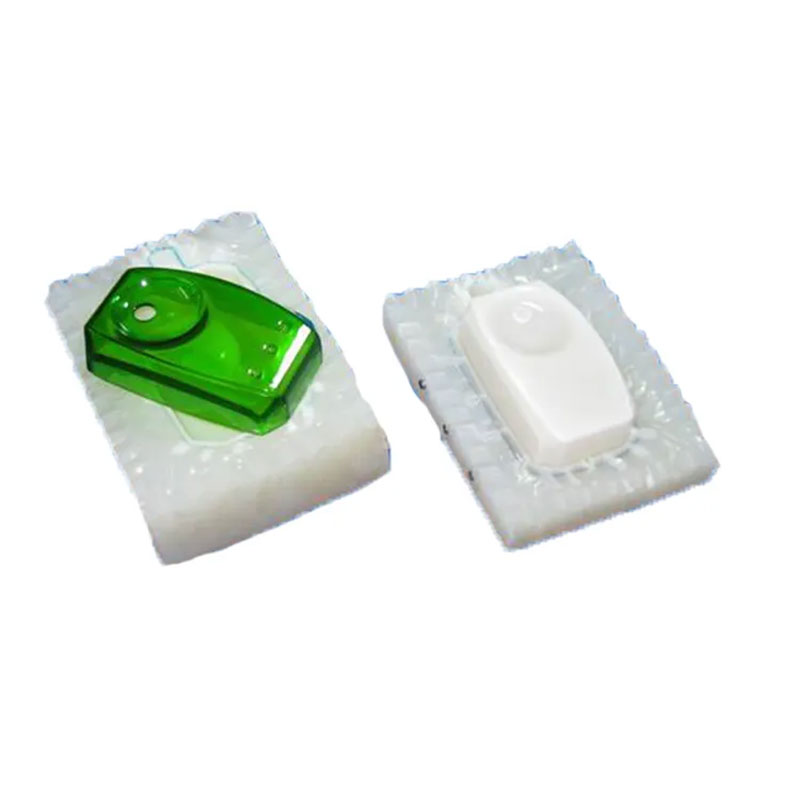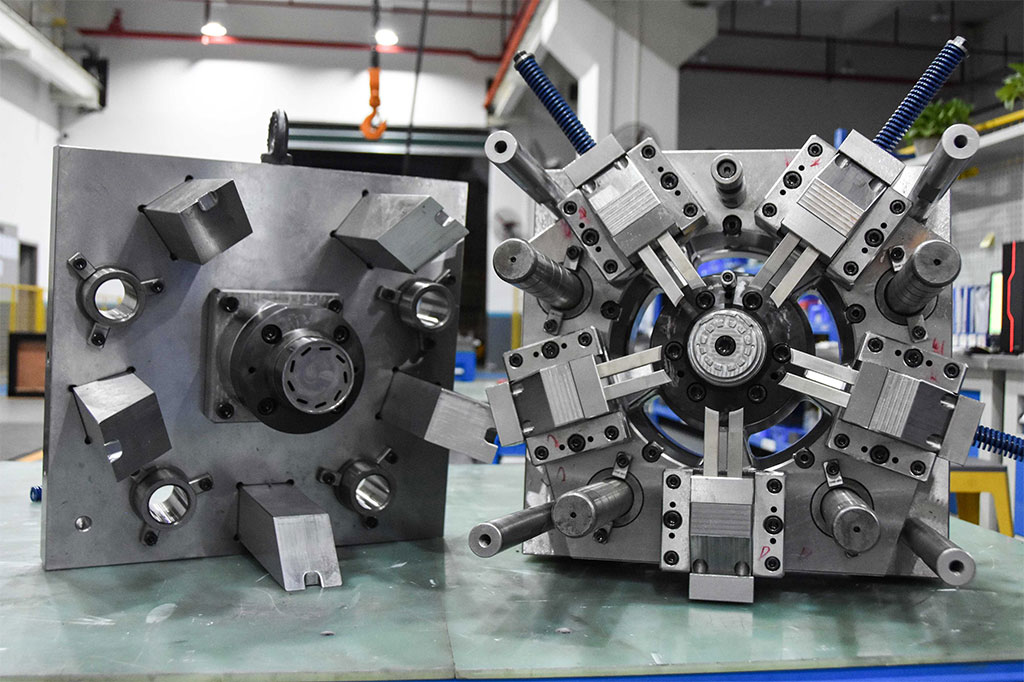
Custom sheet metal fabrication involves multiple steps that transform raw material into functional parts. We often provide a full-service approach, from design assistance to final assembly.
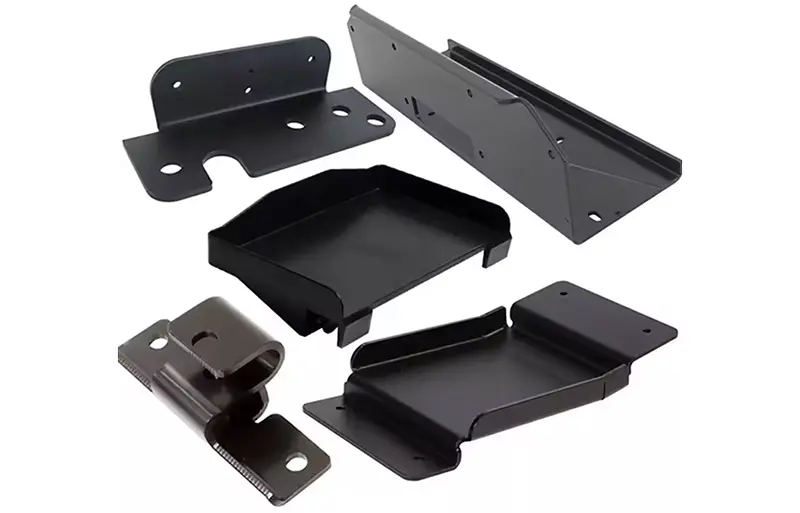
- Laser Cutting and Punching
Laser cutting is the foundation of precision in sheet metal custom fabrication. High-powered CNC lasers create intricate patterns, holes, and edges with tolerances as tight as ±0.1 mm. Punching machines are used for repetitive patterns and perforations, especially in high-volume production.
Use Case: Electronics companies rely on Chinese custom sheet metal fabrication to produce precise enclosures for servers and telecom equipment.
- Bending and Forming
CNC press brakes and roll forming machines bend metal sheets into the required shapes without compromising structural integrity. This process is critical in automotive and aerospace components, where exact angles and dimensions matter.
Data Point: Proper bending techniques can reduce welding requirements by up to 40%, saving both costs and assembly time.
- Welding and Assembly
Fabricated parts often require welding to achieve structural strength. MIG, TIG, and spot welding are commonly applied depending on material and thickness. Some advanced Chinese fabricators also offer robotic welding for higher consistency.
Application: In the medical industry, TIG-welded stainless steel frames are preferred for surgical equipment due to corrosion resistance and hygienic properties.
- Surface Finishing
Surface finishing enhances both function and appearance. Common techniques include powder coating, anodizing, passivation, galvanizing, and plating.
Efficiency Example: By integrating in-house powder coating lines, we reduced delivery cycles by 20% compared to outsourcing finishing.