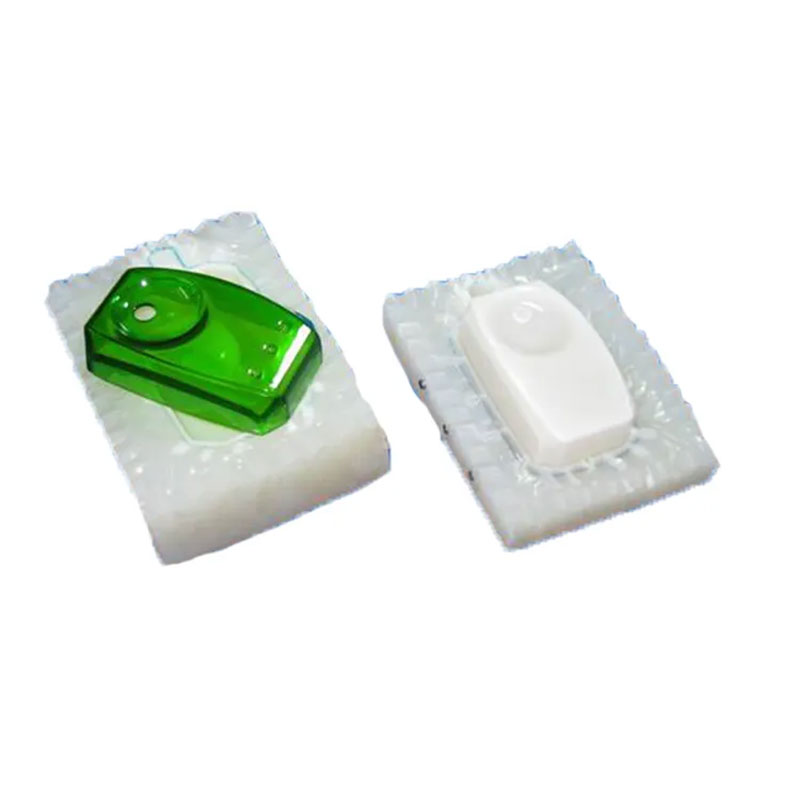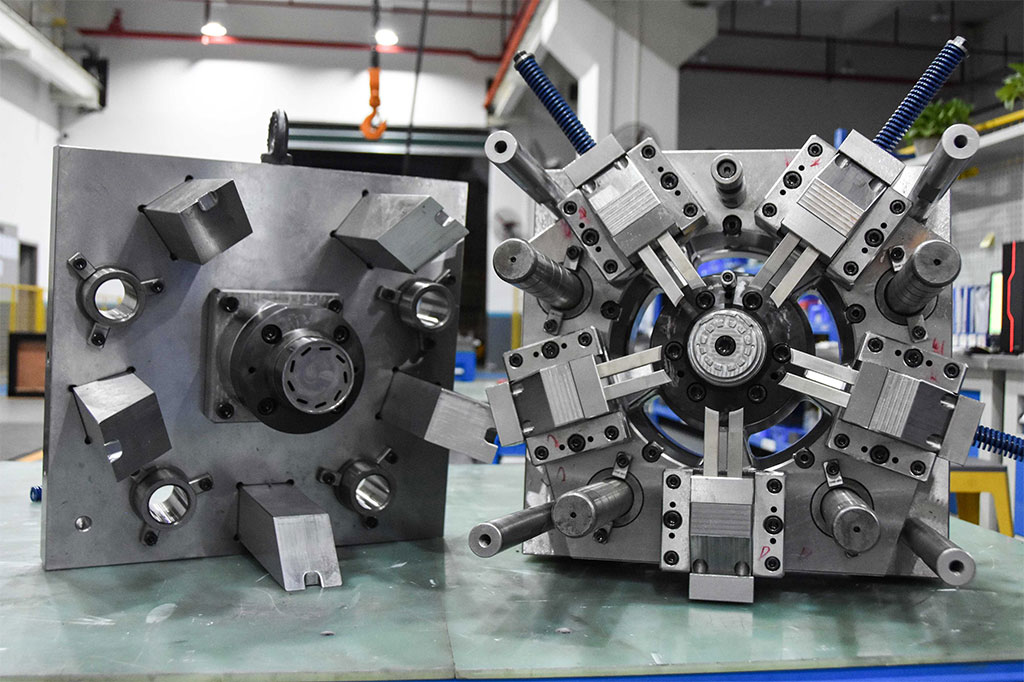
Injection molding is a process that involves heating thermoplastic or thermosetting plastic materials until they melt, then injecting the molten plastic into a mold using an injection molding machine, and finally cooling and solidifying it to form plastic products of specific shapes. As a crucial part of modern manufacturing, it plays a key role in multiple fields due to its characteristics of high efficiency, precision, and flexibility, becoming the core technology for large-scale production of complex plastic components.
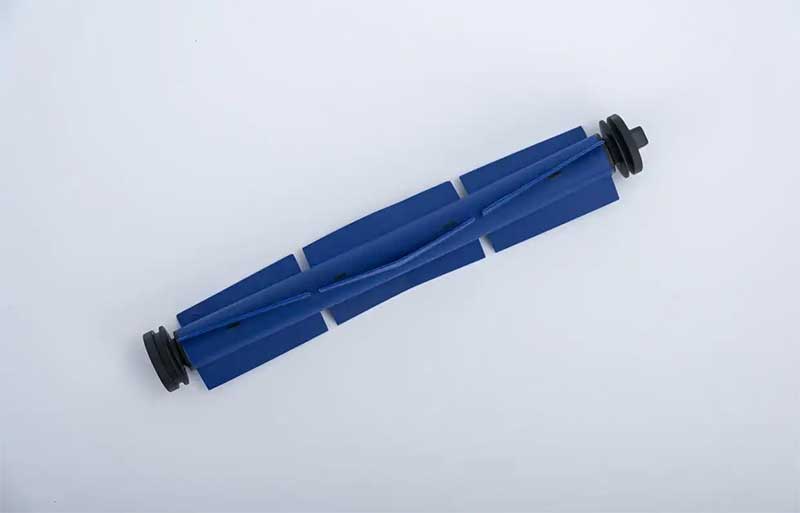
Notable Advantages of Injection Molding
Injection molding meets diverse industrial production needs with its unique process characteristics. Firstly, it boasts high efficiency and large-scale production capacity. By optimizing the operating cycle of the injection molding machine, this process can complete the molding of a large number of components in a short time. The precise control of the amount of raw material injected during each injection molding process significantly enhances production efficiency, making it particularly suitable for the rapid delivery of large-volume orders.
Secondly, it offers high precision and consistency. Relying on precision mold design and high-precision injection molding equipment, the dimensional errors of the products are strictly controlled, ensuring that each product is highly uniform in shape and specifications. This provides reliable guarantees for industries with stringent precision requirements.
In terms of complex structure molding capability, the injection molding process demonstrates remarkable advantages. It can transform the complex geometric shapes and fine structural details in design drawings into real objects. Whether it is components with multiple curved surfaces, thin walls, deep cavities, or inserts, they can all be molded in one step through mold design, breaking through the limitations of traditional processing methods in terms of shape complexity.
Moreover, wide material adaptability is also an important feature. From common polyethylene and polypropylene to high-performance polycarbonate, and then to thermosetting phenolic resins and epoxy resins, different types of plastic materials can be processed through the injection molding process, meeting the diverse needs of products in terms of mechanical properties, heat resistance, and chemical resistance.
Diverse Application Scenarios of Injection Molding
The applications of injection molding cover multiple key industries. In the automotive manufacturing field, it is used to produce various plastic components such as instrument panels, door interiors, and bumpers. These components not only need to have certain strength and weather resistance but also meet the requirements of lightweight design. The high precision and large-scale production capacity of the injection molding process precisely meet the mass production needs of the automotive industry.
In the electronics industry, injection molding is commonly used to manufacture mobile phone cases, electrical appliance casings, and precision electronic components. These products have extremely high requirements for appearance precision and structural stability. The injection molding process can achieve smooth surfaces and precise dimensions, meeting the fine production standards of electronic products.
The medical device field has stringent requirements for hygiene, safety, and component precision. Injection molding plays an important role here, being used to produce disposable syringes, medical consumables, diagnostic instrument accessories, etc. Its stable molding quality and material compatibility ensure the reliability and safety of medical products.
In consumer goods manufacturing, from daily toys and kitchenware to office stationery, the injection molding process achieves large-scale and standardized production with its advantages of high efficiency and low cost, meeting the continuous market demand for such products.
Cost Composition and Economic Efficiency of Injection Molding
The cost of injection molding mainly consists of mold costs, raw material costs, and production costs. As the core of the process, mold design and manufacturing require professional technical support. The development cost of complex molds is relatively high, but they have long-term use value. Raw material costs vary depending on the type and performance requirements of the plastics, with high-performance materials generally being more expensive. Production costs are closely related to production scale. In mass production, the cost per unit product decreases as the production volume increases, demonstrating significant economies of scale. Although there is a relatively large upfront investment in molds, injection molding has obvious cost advantages per unit product for large-scale production, making it a cost-effective manufacturing option.
Conclusion
Injection molding has become the mainstream process for plastic component manufacturing in modern industry due to its core advantages such as efficient production, precision molding, and strong material adaptability. From the automotive industry to electronics, from medical care to consumer goods, its applications are deeply integrated into multiple industries, promoting the combination of product innovation and large-scale production. In practical applications, reasonably evaluating the relationship between mold design, material selection, and production scale can maximize the process value of injection molding and provide strong support for the efficient development of the manufacturing industry.