The selection of materials is a critical consideration in CNC vertical machining. The material selection directly influences the machining parameters, tool choice, and achievable tolerances — making it a critical step in any precision manufacturing process.
Metals
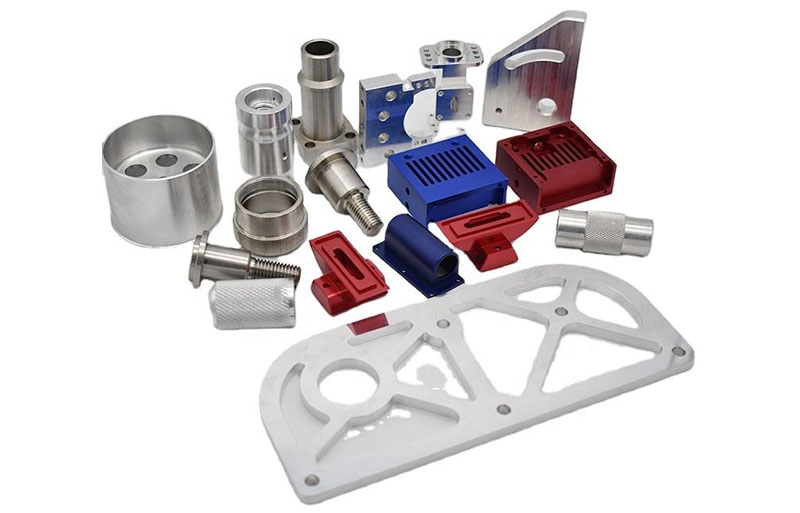
Aluminum: Lightweight, strong, and easy to machine, aluminum is ideal for aerospace, automotive, and consumer product applications. CNC vertical machining ensures high cutting speeds, smooth chip removal, and excellent surface finish for both prototypes and production parts.
Stainless Steel: Renowned for its strength and corrosion resistance, stainless steel is used in medical, food-grade, and industrial components. Though challenging to cut, vertical CNC machining achieves tight tolerances with the right tooling, cooling, and machine rigidity.
Titanium: Used in aerospace, defense, and medical industries, titanium offers a superior strength-to-weight ratio but is difficult to machine. High-torque spindles and advanced cooling in CNC vertical machining make it possible to produce complex titanium parts efficiently and accurately.
Brass and Copper Alloys: These materials offer excellent machinability and are widely used for electrical and precision mechanical components. Vertical CNC machining provides burr-free edges and fine finishes for both functional and decorative parts.
Plastics and Composites
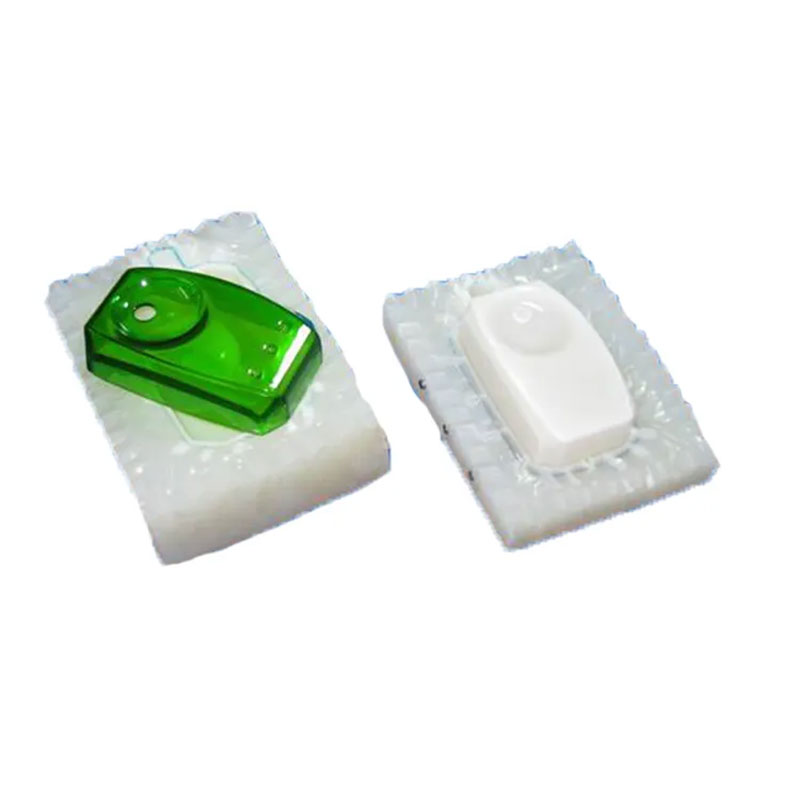
Engineering Plastics: Materials like PEEK, Delrin, and Nylon are used in medical and electronic applications where precision and lightweight design are critical. Vertical CNC machining produces clean, precise edges while preventing material deformation through optimized speeds and tooling.
Composites: Fiber-reinforced plastics and carbon fiber composites benefit from CNC vertical machining’s stability and accuracy. Proper tooling and vacuum fixturing reduce delamination and surface defects, ensuring consistency in aerospace and industrial CNC machined parts.
A deep understanding of material behavior allows engineers to optimize machining parameters for accuracy, speed, and tool life. By pairing the right materials with advanced CNC vertical machining capabilities, manufacturers can achieve superior precision, efficiency, and part quality across industries.