
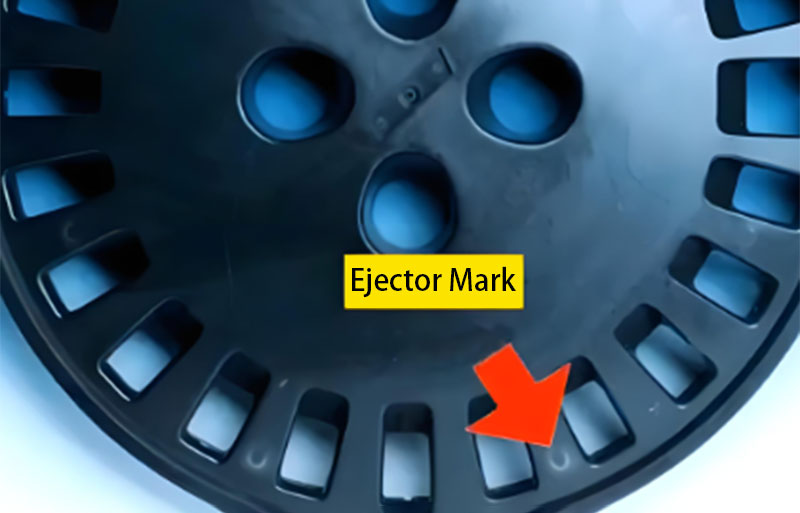
Ejector Mark in Injection Molding
This defect is mainly characterized by excessive force on the plastic part during ejection, resulting in prominent white marks on […]
Ejector Mark in Injection Molding Read Post »
This defect is mainly characterized by excessive force on the plastic part during ejection, resulting in prominent white marks on […]
Ejector Mark in Injection Molding Read Post »
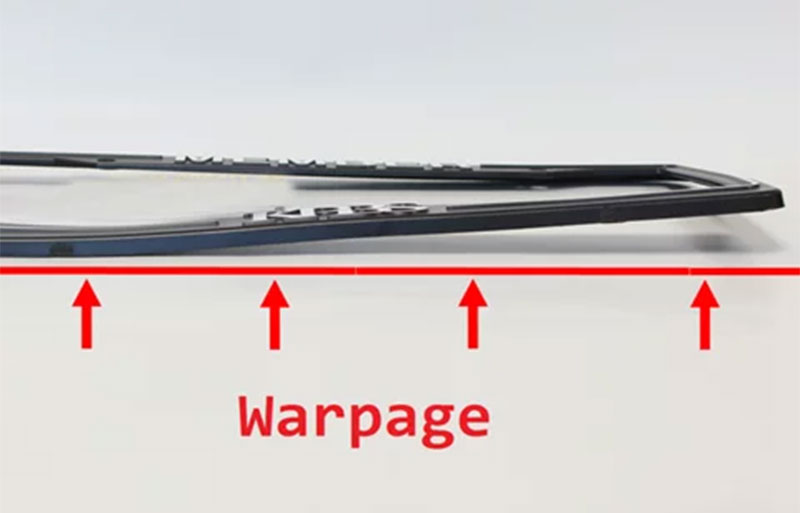
Warping in injection molding defects refers to a deviation in the shape of the molded product from the shape of
Warping in injection molding Read Post »
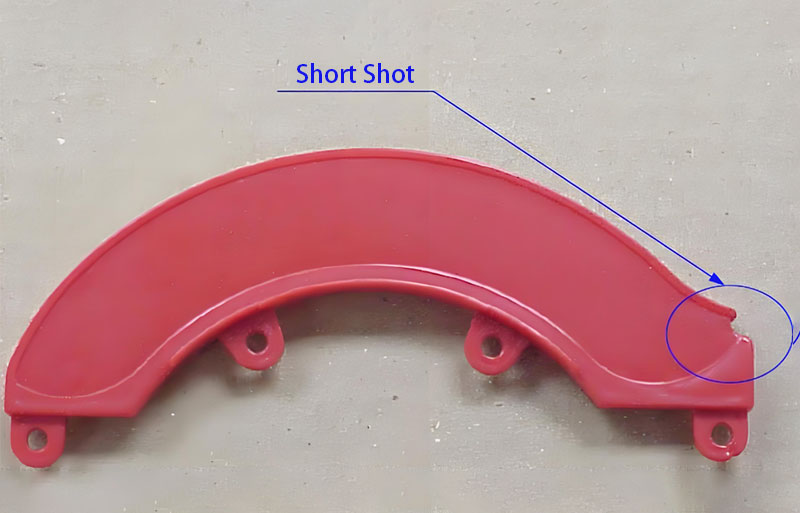
The short shot injection molding defects mainly occurs because the molten plastic fails to completely fill the entire mold cavity,
Short Shot in Injection Molding Read Post »
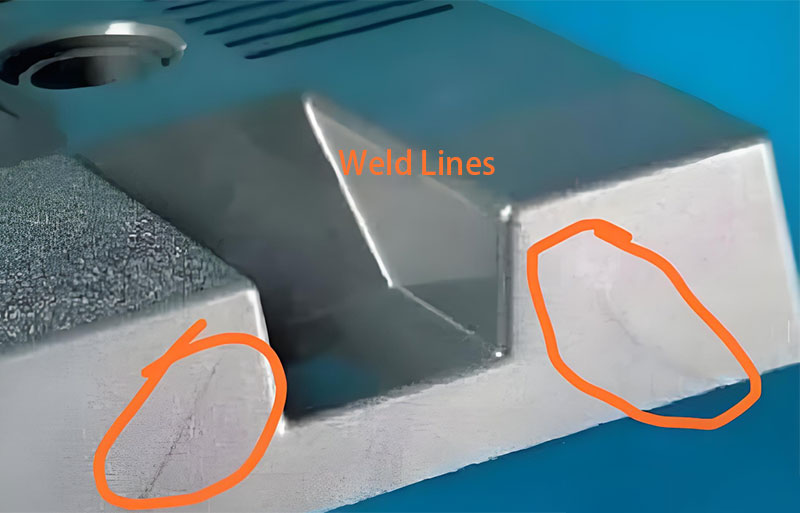
Weld lines, known as knit lines, weld lines are linear traces on the surface of plastic parts, primarily formed by
Weld Lines in Plastic Injection Molding Read Post »
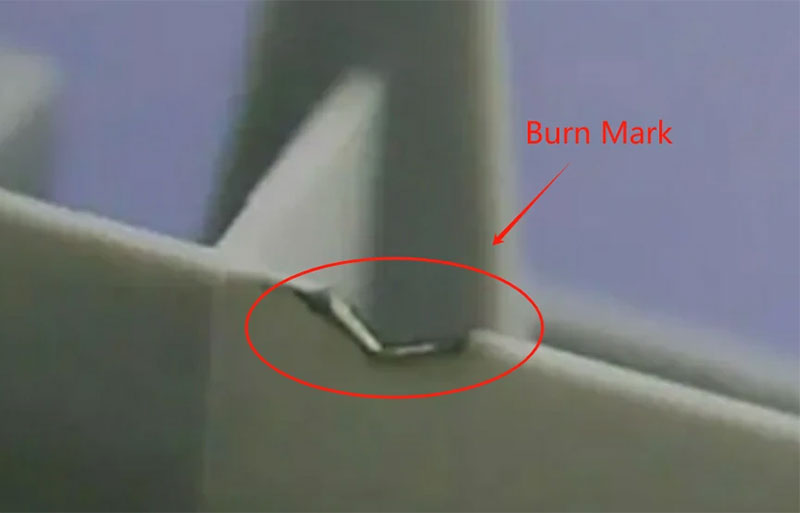
The phenomenon of burn marks in Plastic Injection Molding is primarily characterized by localized areas of the product turning yellowish
Burn Mark in Plastic Injection Molding Read Post »
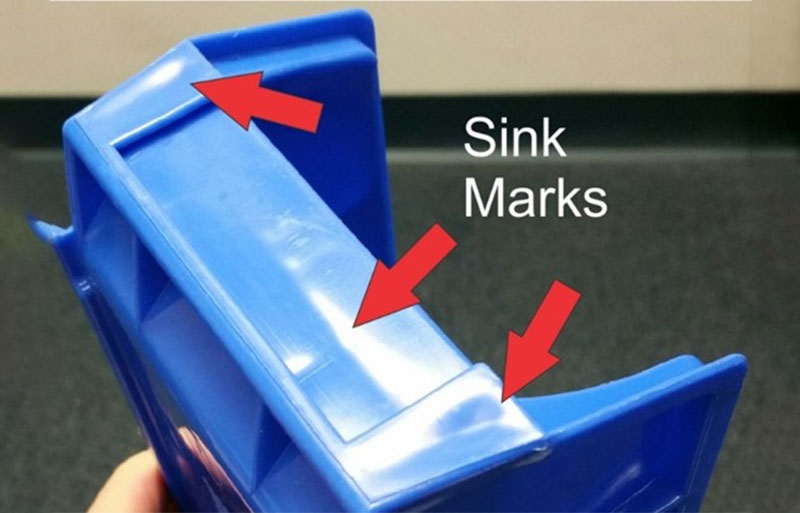
Sink marks are mainly manifested as localized depressions (either dimple-like or groove-like) on the surface of the product, typically occurring
Sink Marks in Injection Molding Read Post »
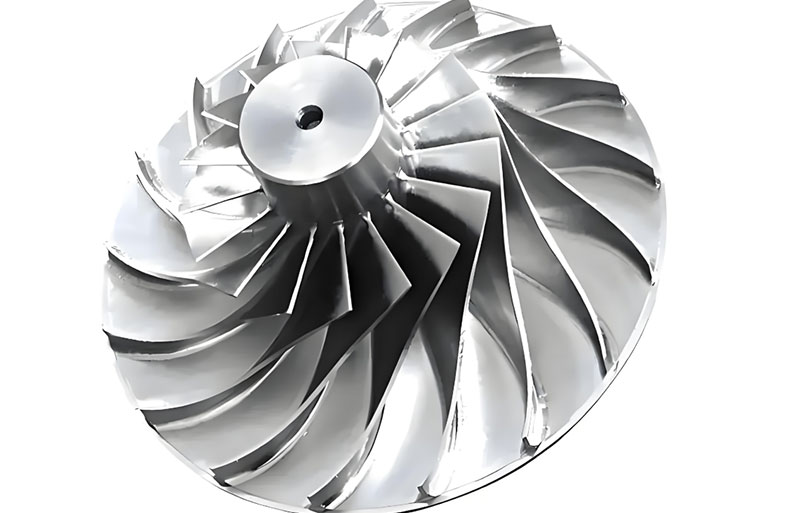
Titanium-machined parts are durable, corrosion-resistant, and aesthetic. These qualities give them applications in a variety of industries. Marine/Naval IndustryCompared to
Applications of Titanium Machined Parts Read Post »
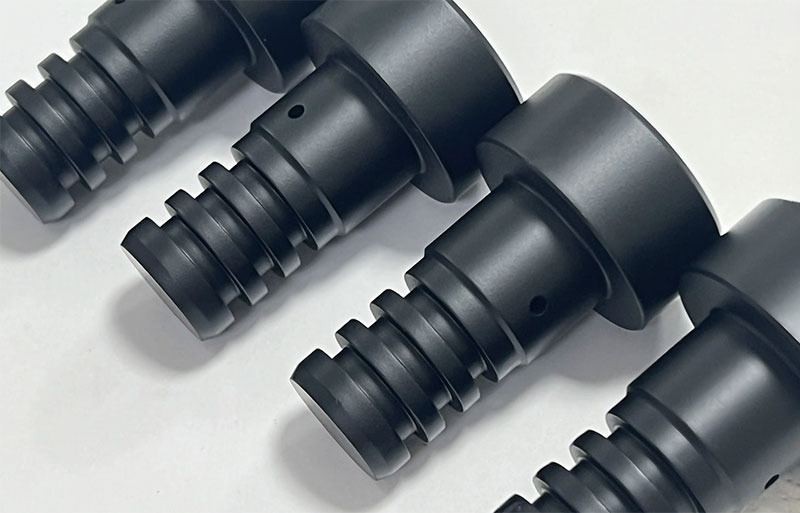
A range of surface finishing techniques, including titanium polishing, can enhance CNC machined titanium products for functional and aesthetic reasons.
Surface Finishes for Machined Titanium Parts Read Post »
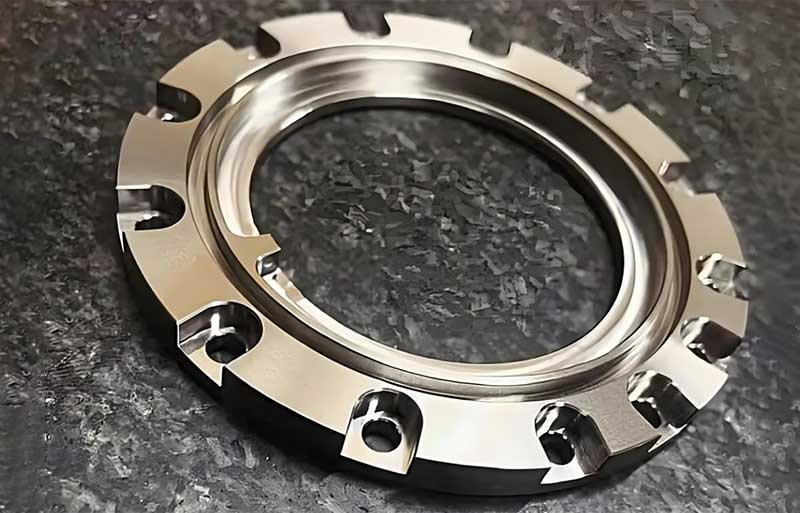
Using any cutting tool when CNC machining with titanium is usually a bad idea. Here is how to choose the
How to Choose the Right Cutting Tools for Machining Titanium Read Post »